
Abayomi Oshadami
NCMM Abuja
March 10, 2025
1. Introduction: The Vision Behind Nigeria’s New Capital
Nigeria’s decision to move its capital from Lagos to Abuja was rooted in a desire to escape the chaos of an overpopulated and inadequately planned urban center. In August 1975, General Murtala Muhammed inaugurated a committee led by Justice T.A. Aguda to recommend a more suitable location for a federal capital. This led to the birth of Abuja—a centrally located, neutral, and supposedly well-planned capital envisioned to reflect national unity and modern urban development.
However, more than three decades after Abuja officially became the seat of power in 1991, one of the most fundamental markers of national identity—a National Museum—remains conspicuously absent.
2. Museums as Pillars of National Identity and Global Perception
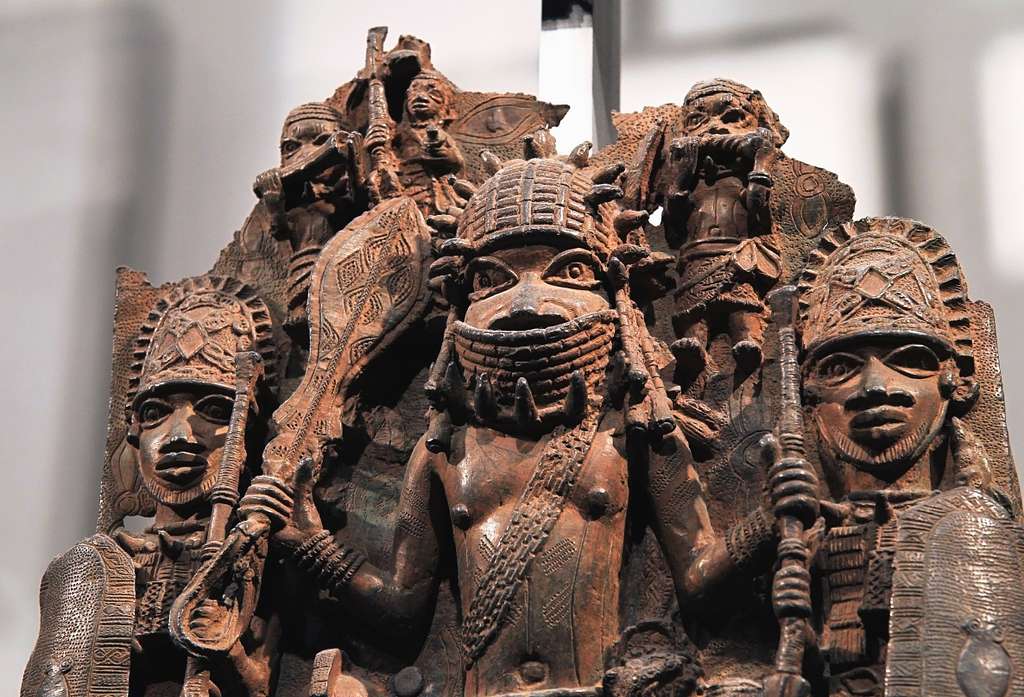
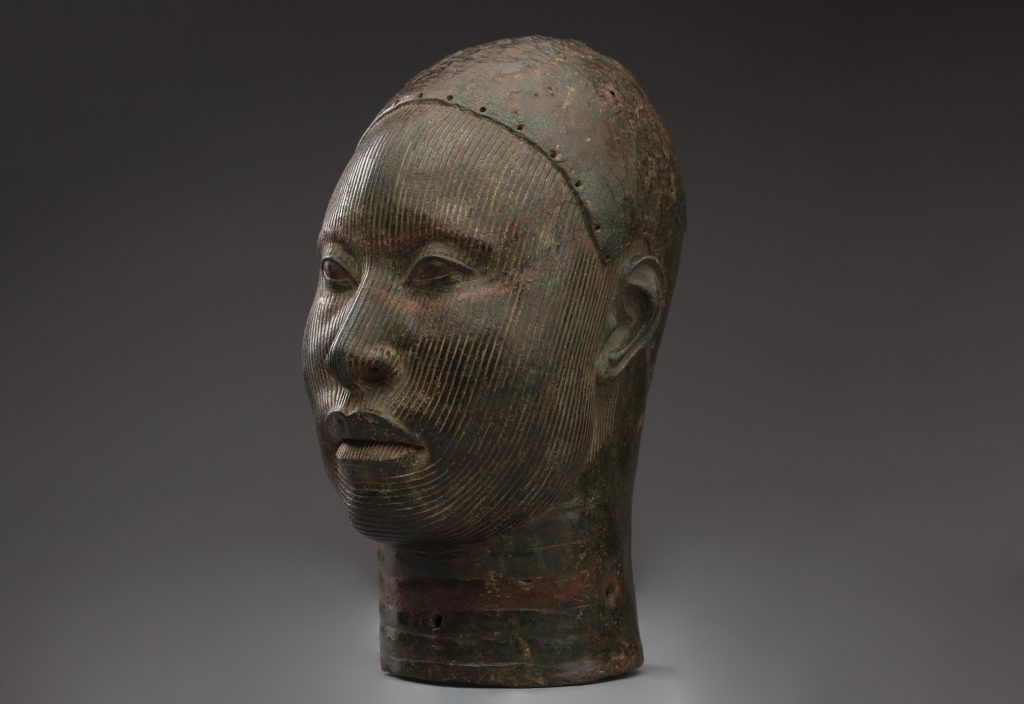
Globally, museums serve as custodians of cultural heritage and national pride. They are essential not only for preserving history but also for showcasing the socio-cultural dynamism of a people. For any capital city, especially one designed from scratch like Abuja, the absence of a national museum represents a significant cultural vacuum. For example:
- The British Museum in London, founded in 1753, is a global model for historical preservation and cultural education.
- The Smithsonian Institution in Washington, D.C., comprises 21 museums and is central to America’s national memory.
- The Louvre in Paris, home to the Mona Lisa, is not just a museum but a national treasure that draws millions annually.
- The National Museum of China in Beijing, located on Tiananmen Square, is one of the largest in the world, showcasing China’s civilization and political evolution.
The fact that Abuja lacks a similar institution reflects a cultural void unbefitting of Nigeria’s national stature.
Lagos, the former capital, hosts a functional museum in Onikan, established in 1957. Before that, Nigeria had already inaugurated museums in Esie (1945), Jos (1952), and Ife (1954)—demonstrating a national commitment to cultural preservation. Thus, it is both ironic and disheartening that Abuja, the nation’s capital, lacks such an institution.
3. Abuja’s Master Plan: A Museum Intended, But Never Realized
A thorough review of Abuja’s original Master Plan reveals that provision was made for a National Museum of Unity in the city’s Central Area, specifically within the Cultural Zone of the Asokoro-Garki axis. The site, measuring 40,000 square meters, lies strategically between Babangida Drive and Hospital Avenue, directly facing the National Christian Centre. This ideal location promised easy access and a dignified setting for a national cultural institution.
The Cultural Zone also included provisions for the National Cathedral, the National Square, the National Library, and the National Mosque. Ironically, of all these structures, only the museum remains unbuilt. Instead, the site is now occupied by the yet-to-be-completed Millennium Tower, a project that has effectively disrupted the master plan and further complicated efforts to establish the museum.
4. Lost Opportunities: Cultural Diplomacy and Tourism in Limbo
The absence of a national museum in Abuja undermines Nigeria’s ability to engage in cultural diplomacy. Heads of states, diplomats, and international dignitaries often expect cultural immersion during official visits. Museums are typically the first stop for such guests in other capital cities, where they are treated to curated exhibitions that celebrate national identity.
Abuja’s failure to meet this global standard is a glaring anomaly. It limits the city’s cultural capital and its tourism potential, especially considering its role as the epicenter of federal governance and international diplomacy in Nigeria.
5. Administrative and Political Hurdles: A Legacy of Inertia
Efforts by the National Commission for Museums and Monuments (NCMM) to secure alternative sites have consistently failed. The problem is not merely technical—it reflects a broader administrative lethargy and a lack of political will. Successive Ministers of Culture have expressed interest but failed to deliver tangible results. The dream has remained on paper, abandoned to bureaucracy and competing political priorities.
The construction of the Millennium Tower on the museum’s designated site symbolizes more than just poor urban planning—it highlights how cultural development often takes a backseat to commercially or politically driven projects.
6. A Call for Action
With decades of inertia, it is imperative that serving Director-General of the National Commission for Museums and Monuments (NCMM) should place the establishment of a National Museum in Abuja as a topmost priority. The lack of a national museum in Nigeria’s capital is a national oversight that demands urgent redress.
DG must treat this project as a cultural emergency, deploying strategic advocacy, stakeholder engagement, fund mobilization, and inter-agency collaboration to revive and implement the original plan. The museum should be conceptualized not just as a building but as a dynamic cultural hub—symbolizing unity, preserving heritage, and projecting Nigeria’s identity to both citizens and the global community.
Failure to act now only deepens the cultural void at the heart of the capital and diminishes the country’s cultural reputation.
7. Conclusion: The Case for Urgency and Cultural Redemption
Abuja’s status as Nigeria’s capital city remains incomplete without a National Museum. In a multicultural nation like Nigeria, a museum is not just a repository of artifacts—it is a space of collective memory, national dialogue, and identity assertion.
For Abuja to truly reflect the spirit and diversity of the Nigerian federation, it must house a national museum that showcases its rich heritage and serves as a bridge between past, present, and future. Only then can the city fully claim its place among the world’s great capital cities.
Leave a Reply