
By Ihuoma Jennifer Metuaghan
NCMM, Abuja
October 27, 2025
Abstract
Nigeria’s overdependence on oil revenues has created a pressing need for diversification into sustainable non-oil sectors. Cultural heritage, preserved through museums, monuments, and historical sites, represents a viable avenue for both cultural sustainability and revenue generation. This paper examines the potential of Calabar Museums (notably the Old Residency Museum, Slave History Museum, and National Museum Calabar) and the Ikom Monoliths as cultural assets with economic potential. Using a qualitative case study approach, supported by interviews, archival research, and secondary data, the paper evaluates their contributions to cultural sustainability and tourism. Findings reveal that while these heritage sites embody Nigeria’s historical identity and cultural values, inadequate funding, weak preservation policies, and poor integration into tourism strategies limit their potential as revenue drivers. The paper argues for stronger policy frameworks, public-private partnerships, and community participation to reposition these heritage resources as key contributors to Nigeria’s non-oil economy.
Keywords: Museums, Ikom Monoliths, Calabar, Cultural Sustainability, Non-Oil Revenue, Tourism, Nigeria
1. Introduction
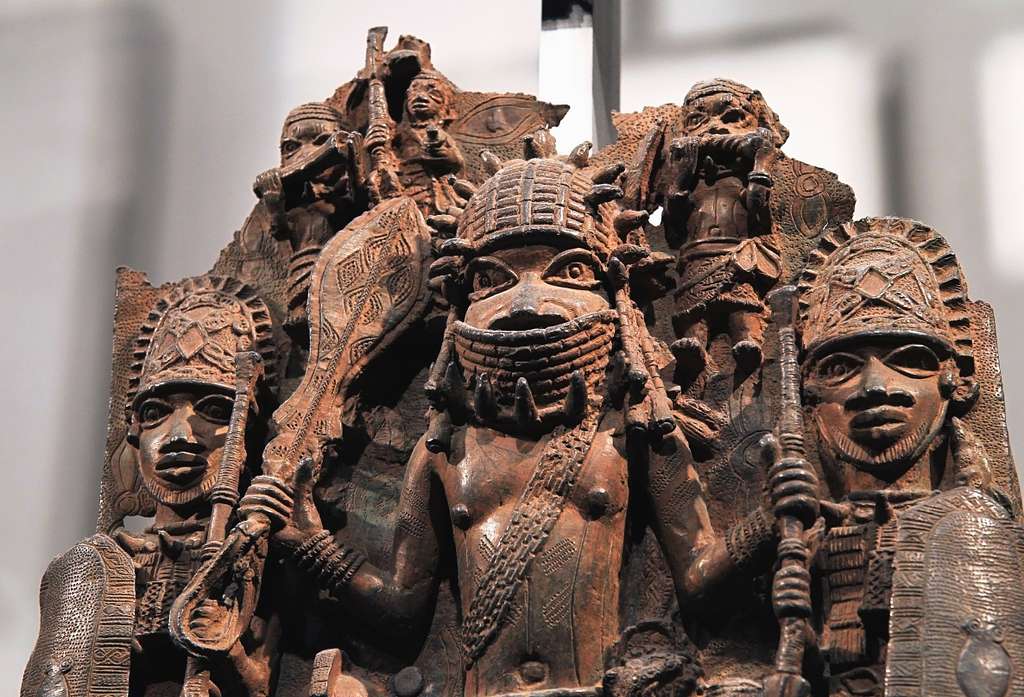
Nigeria’s reliance on petroleum exports has exposed the economy to volatility, underscoring the urgency of diversification into alternative revenue streams. Cultural heritage—expressed through museums, monuments, and historical sites offers both cultural sustainability and economic opportunities. These cultural resources embody collective memory, preserve national identity, and provide educational and recreational value.
Calabar, the first capital of Nigeria and a historical hub of transatlantic trade, hosts several museums of national importance, while the Ikom Monoliths—over 300 carved stones dating back centuries—represent one of Africa’s richest archaeological legacies. Despite their cultural and historical significance, these sites remain underutilized in Nigeria’s economic diversification agenda.
This paper explores how cultural heritage, through museums and monuments, can serve as a window for cultural sustainability and a catalyst for non-oil revenue generation, focusing on Calabar Museums and the Ikom Monoliths.
2. Literature Review
2.1 Cultural Sustainability
Cultural sustainability emphasizes the preservation and transmission of cultural heritage as an essential component of sustainable development (Soini & Birkeland, 2014). Museums and monuments play a crucial role in sustaining traditions, values, and identities while also adapting to contemporary societal needs.
2.2 Museums and Economic Development
Globally, heritage tourism contributes significantly to national revenues. For instance, Egypt leverages its pyramids and museums, generating billions annually (UNESCO, 2021). Similarly, Ghana’s Cape Coast Castle demonstrates how heritage preservation can drive tourism and foreign exchange. Nigerian museums, however, remain underfunded and poorly integrated into national development frameworks (Adebayo, 2018).
2.3 The Nigerian Context
Nigeria’s National Commission for Museums and Monuments (NCMM) oversee over 50 museums and heritage sites, yet many remain neglected due to budgetary constraints and policy gaps. Studies (Okpoko, 2016) highlight that integrating cultural heritage into tourism and creative industries could significantly boost Nigeria’s non-oil revenue.
3. Methodology
This study adopts a qualitative case study approach. Data were collected from:
- Archival records from the NCMM.
- Semi-structured interviews with museum officials, local community leaders, and tourism stakeholders in Cross River State.
- Secondary sources, including journal articles, policy reports, and UNESCO documents.
The analysis employed thematic content analysis to identify patterns in cultural sustainability, economic potential, and institutional challenges.
4. Case Study: Calabar Museums and Ikom Monoliths
4.1 Calabar Museums
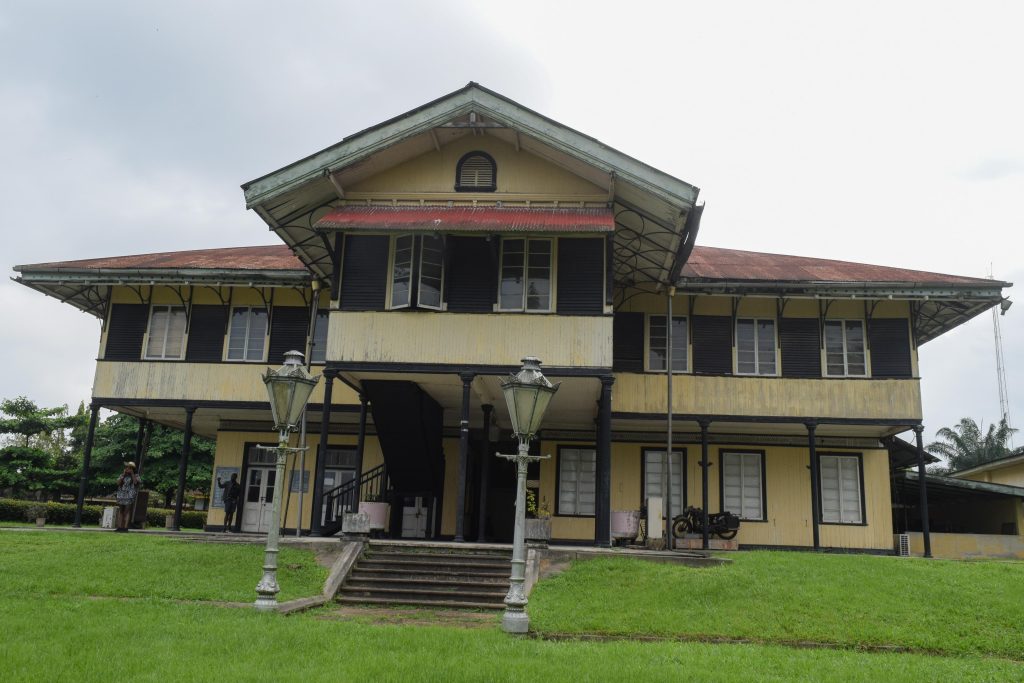
- The Old Residency Museum – former seat of colonial administration, now housing artifacts of Nigeria’s colonial and independence history.
- The Slave History Museum – located in Marina Resort, focusing on the transatlantic slave trade and its cultural memory.
- The National Museum Calabar – repository of ethnographic, historical, and artistic collections.
4.2 Ikom Monoliths
Located in Ikom, Cross River State, these carved basalt stones date between the 16th and 20th centuries. They hold significant archaeological, cultural, and spiritual value, and are recognized by UNESCO as part of Nigeria’s tentative heritage list.
5. Findings and Discussion
5.1 Contributions to Cultural Sustainability
- Preservation of historical memory and identity.
- Educational roles for schools, researchers, and the public.
- Promotion of indigenous knowledge and heritage pride.
5.2 Economic Potential
- Tourism attraction capable of generating revenue for the local and national economy.
- Opportunities for job creation in cultural industries (guides, artisans, hospitality).
- Branding Nigeria’s heritage internationally for cultural diplomacy.
5.3 Challenges Identified
- Poor funding and infrastructure.
- Low visitor turnout due to inadequate promotion.
- Weak legislation and enforcement against vandalism and illicit trafficking of heritage.
- Limited community involvement in management.
5.4 Policy and Development Implications
- Stronger NCMM funding and autonomy.
- Integration of cultural heritage into Nigeria’s economic diversification policies.
- Partnerships with private investors and international agencies.
- Digitalization and marketing of Nigerian heritage globally.
6. Conclusion
Museums and monuments are not merely relics of the past; they are living assets that can sustain culture and generate non-oil revenue. The Calabar Museums and Ikom Monoliths showcase Nigeria’s untapped potential in heritage tourism. However, without deliberate government action, policy reform, and stakeholder collaboration, these sites will remain underutilized. Harnessing them effectively can contribute to cultural sustainability, economic diversification, and national development.
References
- Adebayo, K. (2018). Cultural Heritage and Economic Development in Nigeria: Potentials and Challenges. Journal of African Cultural Studies, 30(2), 145–162.
- Okpoko, P. U. (2016). Heritage Management and Tourism in Nigeria. Nsukka: University of Nigeria Press.
- Soini, K., & Birkeland, I. (2014). Exploring the scientific discourse on cultural sustainability. Geoforum, 51, 213–223.
- UNESCO. (2021). World Heritage and Tourism in a Changing Climate. Paris: UNESCO.
Leave a Reply