
Bello Abdulateef and Onuba Ngozi
NCMM Abuja
March 10, 2024
Abstract
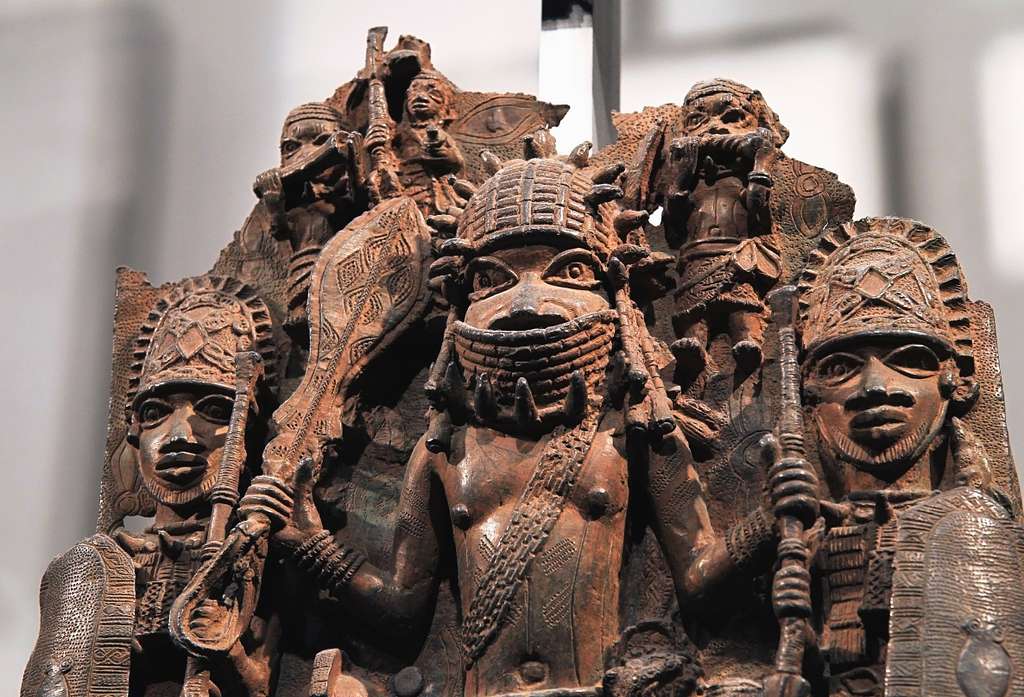
The National Museum, Onikan, Lagos houses an invaluable collection of artifacts, including relics of Nigeria’s cultural history, ethnography, archaeology, and art. Protecting these treasures is critical to preserving Nigeria’s heritage for future generations. Radio Frequency Identification (RFID) technology is increasingly becoming a vital tool for improving the security and management of museum objects globally. This paper explores the importance of RFID in museum object protection, focusing on the National Museum, Onikan, Lagos as a case study. It discusses the challenges the museum faces in safeguarding its collection and the role RFID can play in overcoming those challenges.
Introduction
A museum is a not-for-profit, permanent institution in the service of society that researches, collects, conserves, interprets, and exhibits tangible and intangible heritage. Open to the public, accessible and inclusive, museums foster diversity and sustainability. They operate and communicate ethically, professionally, and with the participation of communities, offering varied experiences for education, enjoyment, reflection, and knowledge sharing.” (ICOM 2022)
Museums are custodians of culture, art, and history, serving as repositories of objects that offer insights into a society’s heritage. However, securing and managing these objects remains a critical issue, especially for museums in developing countries where resources may be limited. The National Museum, Onikan, Lagos, established in 1957, is one of Nigeria’s leading institutions for historical and cultural preservation. Given its vast collection of artifacts, the museum faces numerous challenges in ensuring the security, tracking, and management of its objects. This paper explores how Radio Frequency Identification (RFID) technology can enhance object protection at the National Museum, Onikan, Lagos and the broader implications for museums globally.
RFID Technology Overview
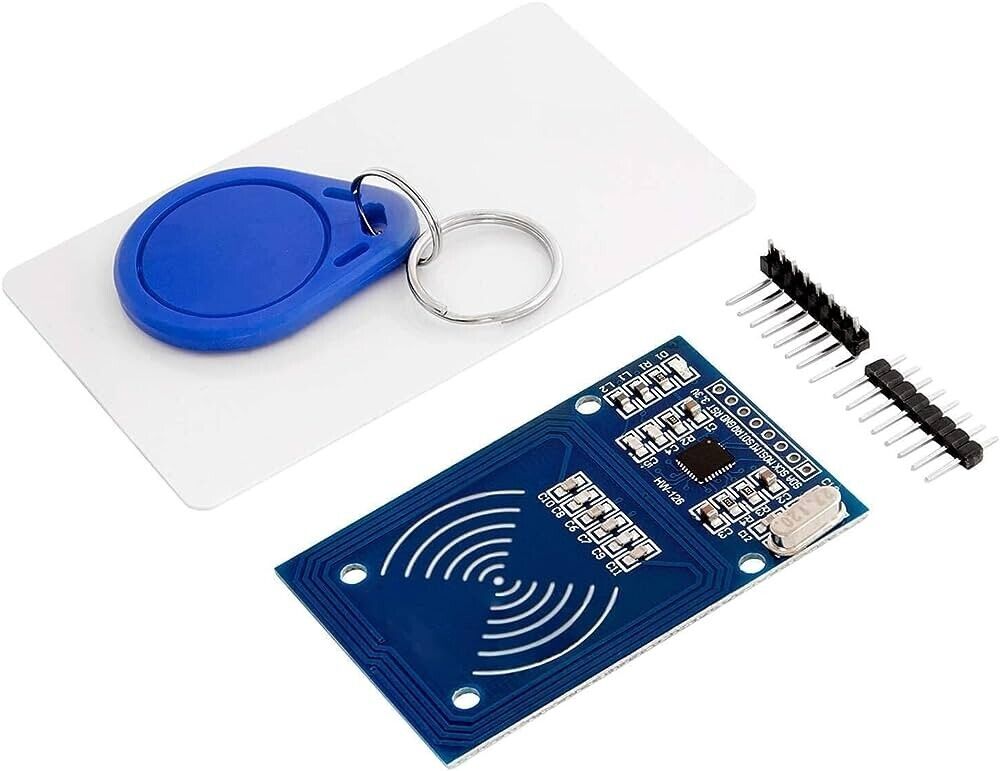
Radio Frequency Identification (RFID) is a wireless technology that uses electromagnetic fields to automatically identify and track tags attached to objects. An RFID system typically consists of three components:
1. RFID Tags: These are small electronic devices attached to museum objects, which store identification information.
2. RFID Readers: Devices that emit radio signals to communicate with the tags and retrieve information.
3. RFID Software: The system’s software component records the location, identity, and status of objects.
RFID technology allows for real-time monitoring and tracking of objects without physical contact, providing more efficient security and management than traditional barcodes or manual inventories.
Challenges in Museum Object Protection at the National Museum, Onikan, Lagos
Museums face a range of security threats, from theft and vandalism to environmental damage. In the case of the National Museum, Onikan, Lagos, these challenges are exacerbated by several factors:
1. Limited Resources: The museum lacks the financial and technical resources to implement advanced security measures, making it vulnerable to theft and damage.
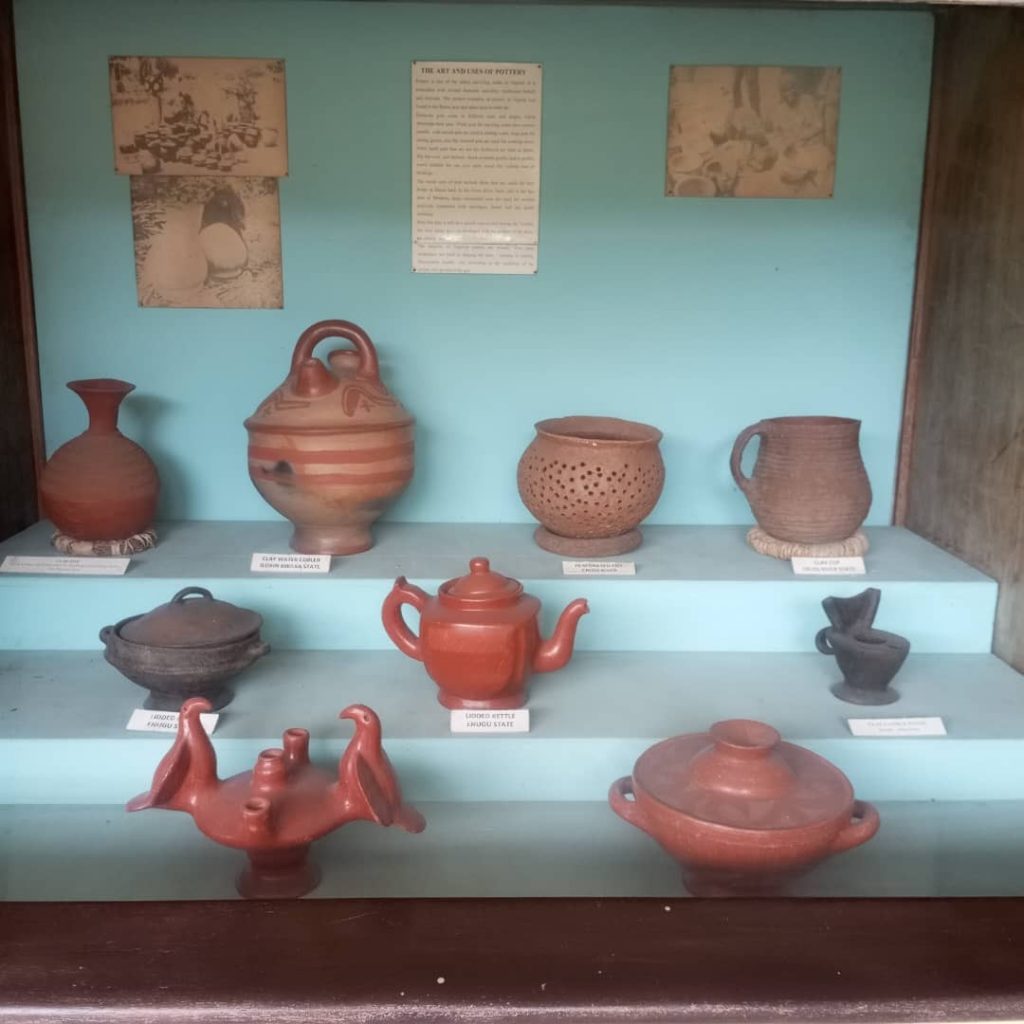
2. Large Collection Size: Managing a vast collection of objects manually is difficult. The museum’s collection includes over 47,000 objects, spanning a wide variety of materials and time periods.
3. Inadequate Inventory Management: The absence of an integrated and automated inventory management system results in inaccurate records, making it harder to track objects effectively.
4. Environmental Threats: Artifacts are vulnerable to environmental conditions like temperature, humidity, and light, which can degrade objects if not properly monitored.
How RFID Enhances Object Protection
RFID technology addresses many of the challenges faced by museums in protecting their collections. Here are key ways in which RFID can enhance object protection at the National Museum, Onikan, Lagos:
1. Efficient Tracking and Inventory Management
With RFID tags affixed to each artifact, museum staff can track objects in real time, facilitating quicker and more accurate inventory processes. The system can automatically update the location and status of each object, minimizing human error and improving accountability.
2. Improved Security
RFID systems can enhance security by triggering alarms if an object is moved without authorization. RFID tags can be programmed with movement sensors, which alert museum staff to any unauthorized handling or removal of an object from its designated area.
3. Environmental Monitoring
Certain RFID tags can also be equipped with sensors to monitor environmental factors such as temperature, humidity, and light exposure. This feature is crucial for objects sensitive to environmental conditions, enabling museum staff to respond quickly if conditions deviate from safe levels.
4. Automated Record-Keeping
The system provides a comprehensive and up-to-date record of each object, including details about its condition, location, and handling history. This automation reduces the risk of errors in manual record-keeping and ensures that information about each object is always current.
5. Scalability and Flexibility
RFID systems can easily scale to accommodate a growing collection, making them ideal for institutions like the National Museum, Onikan, Lagos, which continues to acquire new objects. Moreover, RFID tags can be tailored to fit different sizes and types of objects, from small jewelry pieces to large sculptures.
Case Study: Implementing RFID at the National Museum Lagos
To demonstrate the effectiveness of RFID in museum object protection, we can consider a hypothetical implementation at the National Museum, Onikan, Lagos. The implementation process would involve the following steps:
1. Needs Assessment
The museum would first conduct a thorough assessment of its current object management and security systems, identifying key areas of vulnerability that RFID can address.
2. Tagging and System Setup
RFID tags would be attached to objects across the museum’s collection. The tags would be encoded with unique identification data, allowing the RFID readers to capture and transmit information to a central database.
3. Training and Integration
Museum staff would undergo training to effectively use the RFID system, from scanning objects during exhibitions to monitoring environmental conditions. The system would be integrated into the museum’s existing management software, ensuring seamless data flow.
4. Monitoring and Maintenance
Once operational, the RFID system would provide continuous monitoring of objects, alerting staff to any security breaches, unauthorized handling, or adverse environmental conditions. Regular maintenance would be carried out to ensure the system’s long-term efficacy.
Benefits of RFID for the National Museum, Onikan, Lagos
The implementation of RFID at the National Museum, Onikan, Lagos offers several key benefits:
1. Reduced Theft and Loss
By improving tracking and automating alerts for unauthorized movements, RFID significantly reduces the risk of theft or loss of artifacts.
2. Enhanced Artifact Preservation
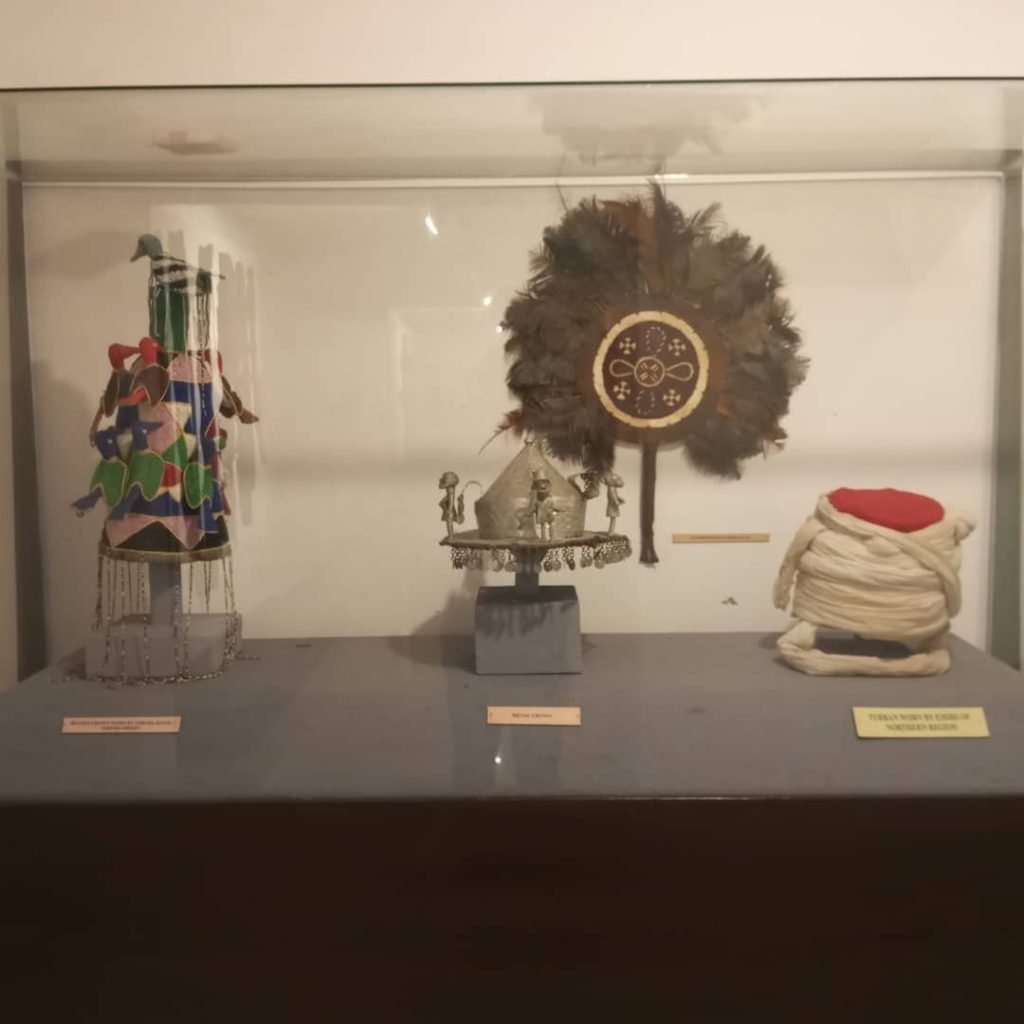
With integrated environmental monitoring, RFID helps to preserve fragile artifacts by ensuring that they are stored in optimal conditions.
3. Operational Efficiency
The time and effort required for manual inventories and object tracking are drastically reduced, freeing up staff to focus on other curatorial and educational activities.
4. Data-Driven Insights
The data collected by the RFID system can be analyzed to gain insights into how objects are moved and handled, informing better conservation practices and exhibition planning.
Limitations and Challenges
While RFID offers substantial benefits, its implementation at the National Museum, Onikan, Lagos may face certain limitations, including:
1. Cost of Implementation: RFID systems can be expensive to install, particularly as the budget of National Commission for Museums and Monuments is limited, with minimal support from international bodies.
2. Technological Infrastructure: The museum would need to upgrade its technological infrastructure to support RFID, including setting up databases, RFID readers, and software systems.
3. Maintenance: Regular maintenance of RFID tags, readers, and the overall system is essential to ensure long-term functionality.
Conclusion
RFID technology is an essential tool for the future of museum object protection, offering significant advantages in terms of security, inventory management, and environmental monitoring. For the National Museum, Onikan, Lagos, considering its strategic location at the commercial capital of Nigeria, and with its inflow of visitors, RFID represents an opportunity to safeguard its collection more effectively, preserving Nigeria’s cultural heritage for future generations. While the initial investment may be substantial, the long-term benefits in terms of operational efficiency, artifact preservation, and enhanced security make RFID a necessity in modern museum management. There is no better time to embrace this technology than now, under the capable leadership of Mr. Olugbile Holloway, Director General of the National Commission for Museums and Monuments, whose vision for museum development is driven by technology.
References
1. RFID in Museums: A Comprehensive Overview. Museum Management Journal, 2020.
2. National Museum Lagos – History and Significance. National Commission for Museums and Monuments, 2019.
3. Lopez, J. “Museum Security and Technology: The Role of RFID.” Heritage Preservation Quarterly, 2021.
Leave a Reply