Author: admin

  • Preserving Yoruba Legacy: The Vital Role of the Heritage Officer at the Osun-Osogbo Sacred Grove

    Preserving Yoruba Legacy: The Vital Role of the Heritage Officer at the Osun-Osogbo Sacred Grove

    By Raji Lilian Tolulope

    Osun Osogbo Sacred Grove

    NCMM, Osogbo, Osun State, Nigeria

    December 27, 2025

    Introduction


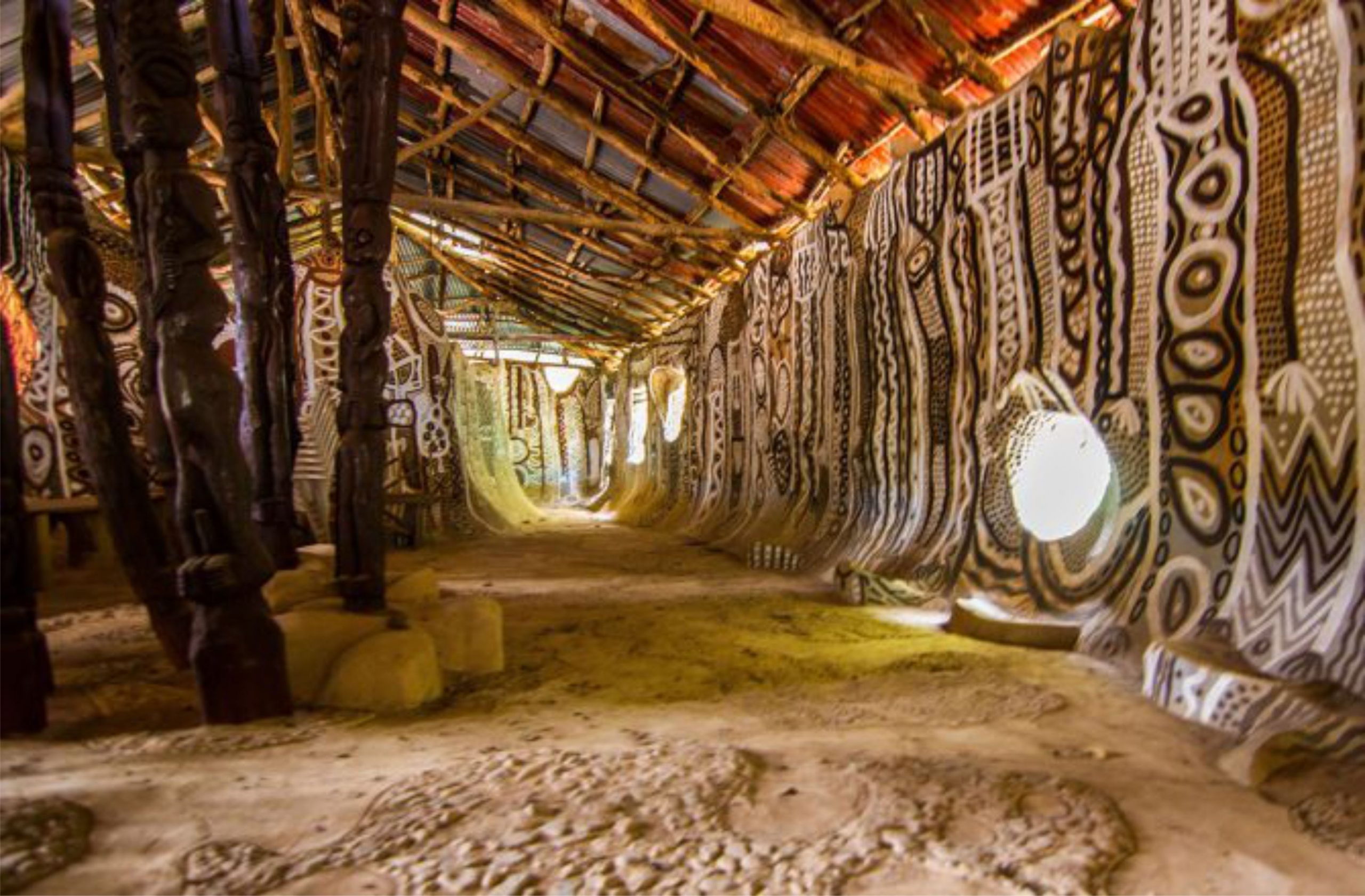
    Hidden within the dense forest along the Osun River in Osogbo, Osun State, Nigeria, lies one of Africa’s most powerful symbols of living heritage: the Osun-Osogbo Sacred Grove. More than a tourist attraction or protected forest, the grove represents rich biodiversity, centuries of Yoruba spirituality, communal values, artistic expression, and ecological knowledge. As Nigeria confronts rapid urbanization, environmental threats, and cultural erosion, the continued survival of this sacred site depends largely on education, interpretation, and community engagement.

    At the heart of this effort is the Heritage Officer (HO), a cultural custodian whose work ensures that the meanings, values, and traditions of the grove remain understood, respected, and transmitted to future generations.


    A Living Monument of Yoruba Civilization

    The Osun-Osogbo Sacred Grove covers approximately 75 hectares of protected forest and is regarded as the last surviving sacred grove of its kind in Yorubaland. Traditionally, Yoruba communities preserved sacred forests as spiritual buffers between humans and the supernatural world. While many of these forests have disappeared due to urban growth and land conversion, the Osogbo grove has endured.

    According to Yoruba oral history, the grove was established following a covenant between early Osogbo settlers and Osun (Òṣun) the goddess of fertility, healing, and prosperity. The Osun River, which flows through the grove, is believed to be her dwelling place and remains central to worship and ritual practice. Unlike conventional heritage sites that exist only as remnants of the past, the grove is a living cultural landscape. Rituals are performed daily, monthly, and annually; shrines remain active; and devotees observe worshiping days every five days. The annual Osun-Osogbo Festival continues to renew the spiritual bond and covenant between the people and the goddess.

    Global Recognition and Outstanding Universal Value

    On July 15, 2005, UNESCO inscribed the Osun-Osogbo Sacred Grove on the World Heritage List, recognizing it as an exceptional example of a sacred cultural landscape that embodies Yoruba religious traditions and worldview. This inscription also acknowledges the grove’s role in preserving indigenous knowledge systems, ritual practices, and artistic traditions.

    The grove’s sculptural heritage, revitalized in the 20th century through the New Sacred Art Movement, further reinforces its global importance. Led by Susanne Wenger (Adùnní Olórìṣà) and local Yoruba artists, this movement restored neglected shrines and produced monumental sculptures that visually express Yoruba cosmology. Today, the grove serves not only as a local shrine but also as a spiritual and cultural reference point for the global Yoruba diaspora, particularly in the Americas and the Caribbean.

    Modern Threats to a Sacred Landscape

    Despite its protected status, the grove faces serious challenges. UNESCO’s 2024 State of Conservation Report highlights several persistent threats:

    • Urban encroachment around the buffer zone
    • Pollution of the Osun River
    • Flooding and climate-related risks
    • Inappropriate restoration materials
    • Increasing tourism pressure without adequate interpretation

    These threats endanger not only the physical structures but also the spiritual integrity of the site. When sacred spaces lose meaning or relevance to host communities, conservation efforts become fragile and unsustainable. This is where heritage education becomes critical.

    The Heritage Officer: Guardian of Meaning

    The Heritage Officer plays a central role in safeguarding both the tangible and intangible heritage of the grove. Unlike museum educators who work with static collections, the Heritage Officer operates within a living environment where culture is actively practiced. Their responsibilities include:

    • Cultural interpretation
    • Community engagement
    • Heritage outreach and tourism education
    • Documentation of intangible heritage

    Through these roles, the officer acts as a bridge between tradition and modern society.

    Interpreting Yoruba Worldview

    A primary duty of the Heritage Officer is interpretation, explaining the meanings behind shrines, sculptures, and rituals. This helps visitors understand that Yoruba spirituality is built on harmony between humans, nature, and the spiritual realm. Without such guidance, the grove might be perceived merely as an aesthetic or touristic space, rather than a sacred one. Through guided tours and storytelling, the officer translates complex cosmology into accessible narratives while maintaining cultural integrity.

    Community Engagement and Education

    Heritage preservation cannot succeed without the participation of the local community. The Heritage Officer works closely with traditional priests, the Ataoja of Osogbo, palace chiefs, and local youths. Through workshops and school programs, the officer supports the transmission of oral traditions, ritual knowledge, and indigenous language.

    Furthermore, the officer collaborates with schools to integrate heritage into the curriculum. School excursions and heritage clubs help young Nigerians reconnect with indigenous knowledge systems that are often neglected in formal education.

    Tourism, Respect, and Documentation

    Tourism brings economic benefits but also risks commodifying sacred practices. The Heritage Officer manages this balance by orienting visitors on cultural etiquette and protecting restricted sacred spaces. Additionally, in response to climate and conservation risks, the officer contributes to the documentation of oral histories, ritual chants, and festival practices. Such records ensure continuity even in the face of environmental or social change.

    Conclusion

    The Osun-Osogbo Sacred Grove stands as a powerful reminder that heritage is not merely about the past, it is about identity, continuity, and meaning. Preserving this legacy requires more than legal protection; it demands education, interpretation, and community participation. The Heritage Officer remains central to this mission. By safeguarding meaning and nurturing cultural pride, the officer ensures that Yoruba heritage remains a living force respected locally, celebrated globally, and preserved for sustainability.
  • Benin Art: Power Cast in Bronze and Ivory

    Benin Art: Power Cast in Bronze and Ivory

    By Ojogho Chidiebere (Mrs)

    NCMM, Abuja

    October 27, 2025

    Introduction


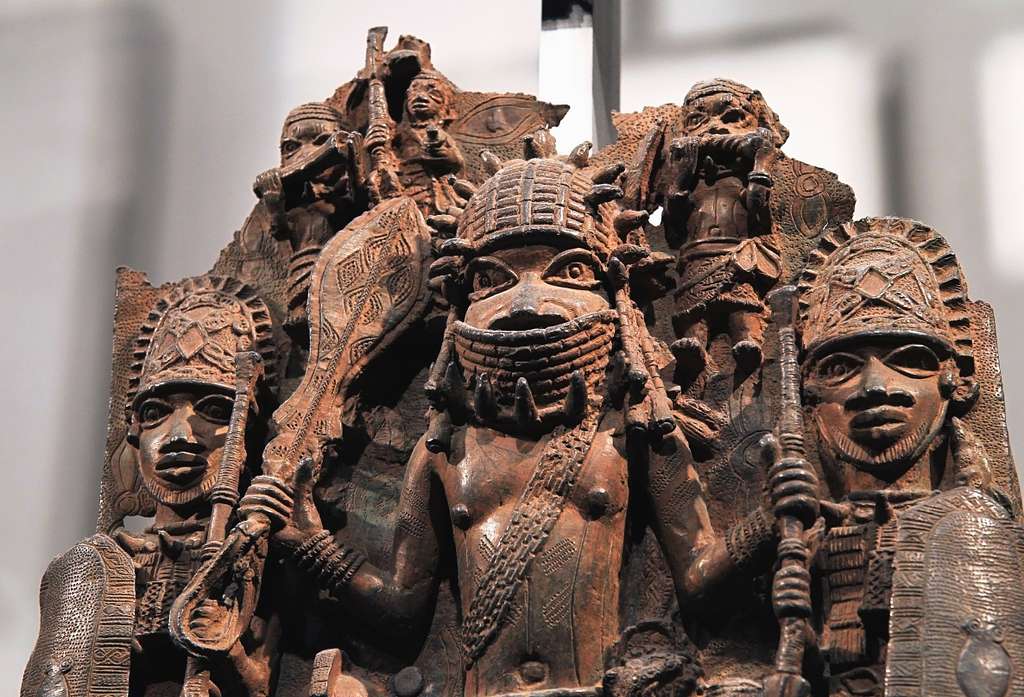
    The ancient Benin Kingdom, located in present-day Edo State, Nigeria, was one of Africa’s most sophisticated precolonial states. At its heart stood the Oba—a divine king whose authority was both political and spiritual.


    More Than Decoration: The Significance of Benin Art

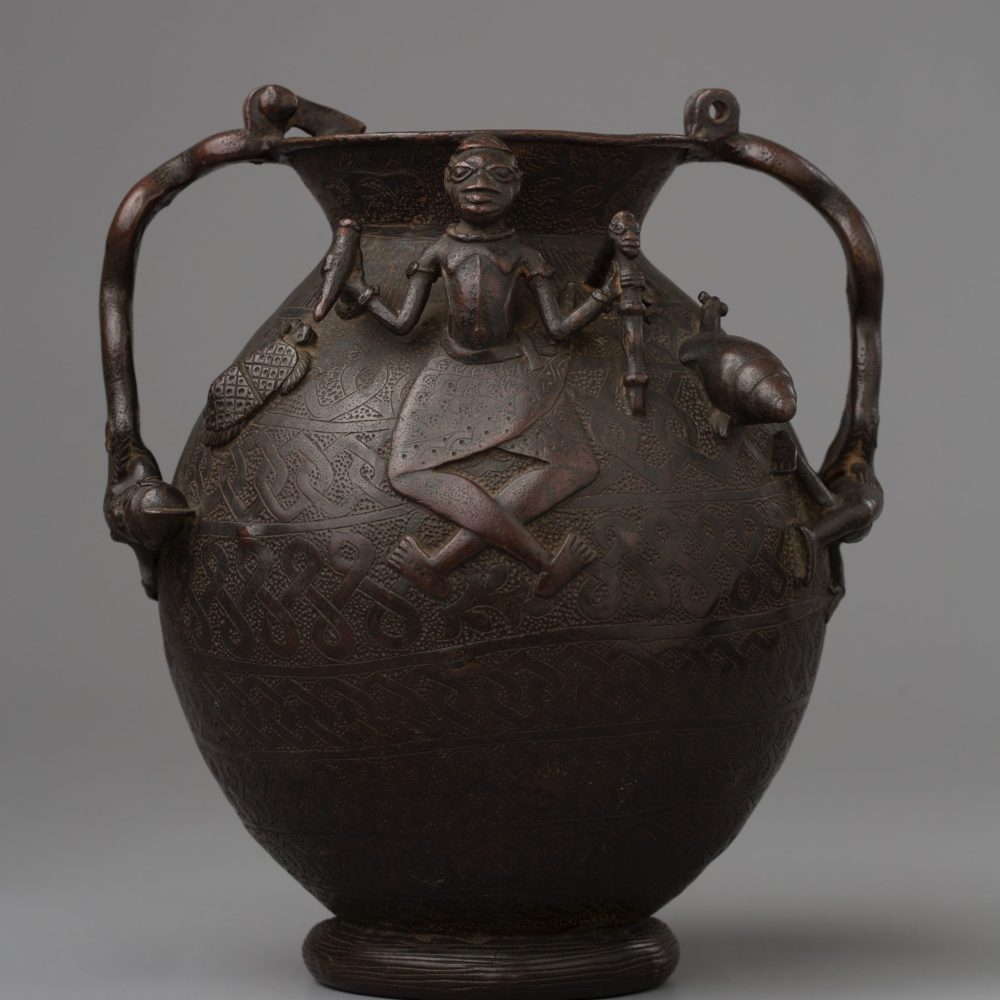
    Benin’s art, particularly the internationally famous Benin Bronzes, are far more than mere decorations.

    Crafted mainly by the royal guild of brass casters using the lost-wax method, these works served as:

    • Deep historical records
    • Spiritual tools
    • Symbols of authority

    They adorned palace walls, altars, and shrines, vividly depicting Obas, queens, warriors, and sacred animals.


    The 1897 Looting and The Debate on Restitution

    In 1897, a British Punitive Expedition invaded and brutally looted Benin City, taking thousands of these irreplaceable treasures. These artifacts were dispersed to museums and private collections worldwide.

    Today, the fate of these masterpieces remains at the heart of global debates on restitution and cultural justice, as nations and communities seek the return of their heritage.


    Iconic Works of the Benin Kingdom

    The kingdom’s master artisans produced a diverse array of iconic works in bronze, brass, and ivory, each holding a specific historical and spiritual meaning:

    ArtifactMeaning and Significance
    Bronze Heads of the ObaIdealized portraits of past kings, embodying the continuity of divine rule.
    Mask of Queen IdiaA carved ivory masterpiece celebrating female political power and Benin’s contact with Europe.
    Bronze MudfishSpeaks to the Oba’s dual nature as both human and spirit, living in water and on land.
    Equestrian Bronze FigureA rare image of mounted power in the rainforest, signifying wealth and military command.
    Ikegobo (Altar of the Right Hand)Honor personal achievement and success, sanctified by the gods.
    Carved Ivory TusksVertical histories depicting royal processions, rituals, and the Oba’s authority.
    Coral BeadsSacred regalia from the sea god Olokun, marking royalty and ancestral protection.
    Bronze BraceletsBoth adornment and currency, bearing royal and spiritual motifs.
    Asoro & ArhuanranBronze depictions of legendary warriors who shaped Benin’s history.
    Benin PlaquesVisual chronicles of court life, diplomacy, and ceremonial events.
    Bronze CockerelSymbol of vigilance and ritual awakening.
    Leopard FiguresRoyal totems representing kingship, justice, and strength.

    About the Author

    Ojogho Chidiebere is a cultural researcher and a Curator with the National Commission for Museums and Monuments, (NCMM) Abuja.


  • Woven Identities: The Cultural Power of Nigerian Textiles

    By Ojogho Chidiebere (Mrs)

    NCMM, Abuja

    October 27, 2025

    Introduction


    Across Nigeria, fabrics are far more than materials to cover the body. They are visual languages, woven histories, and powerful tools of identity. From the indigo-dyed Adire of the Yoruba, to the intricately handwoven Akwete of the Igbo, the regal Aso-Oke of the southwest, and the ubiquitous Ankara prints that have become synonymous with African fashion worldwide, Nigerian textiles embody centuries of cultural meaning and negotiation of power.

    Encoded Narratives and Cultural Meanings

    Each textile carries encoded narratives. The Adire, made using resist-dye techniques in Abeokuta, tells stories through symbols etched into cloth geometric shapes, flora, animals, and proverbs. These motifs communicate messages, express prayers, or mark social events. Similarly, Akwete, woven traditionally by Igbo women, is not just decorative but a symbol of feminine identity, status, and cultural continuity. The patterns often reference community values, historical encounters, and even personal achievements.

    In the north, woven strips of cloth sometimes transformed into elaborate gowns signify prestige, spirituality, and masculinity. Within royal courts, textiles have long been symbols of legitimacy and authority. A king’s robe is as much a political statement as it is attire.


    Collective Identity and Social Expression

    The power of textiles in Nigeria rests in their power to express collective identity. Weddings, funerals, and political rallies are marked by the practice of aso ebi—uniform fabrics worn by groups to demonstrate solidarity. What might look like colorful coordination is, in fact, a deeply cultural act of expressing kinship, loyalty, and social hierarchy.

    Cloth is also an arena of class expression. Imported Ankara in the 20th century became widely embraced as “African,” despite its European manufacturing roots, because it was affordable and adaptable. Today, the debate around Ankara versus indigenous fabrics reflects broader questions of authenticity, globalization, and cultural pride. While elites often reserve Aso-Oke or handwoven cloths for major occasions, Ankara remains the fabric of everyday expression, democratizing style across classes.


    Resistance and Modern Evolution

    Textiles have also been vehicles of resistance. During colonial rule, women in southwestern Nigeria resisted imported British cotton by strengthening the Adire market. Wearing local cloth became an act of defiance, a declaration of self-worth, and a reclaiming of identity.

    In today’s fashion scene, designers like Lisa Folawiyo, Kenneth Ize, and Deola Sagoe are reinterpreting traditional fabrics for global runways. By blending age-old methods with modern day fashion techniques, they are projecting Nigerian identity into the future, ensuring that the stories woven into the fabrics continue to evolve.


    Conclusion: The Unspoken Reminders

    At heart, Nigerian textiles remind us that clothing is never neutral. A wrapper, a head tie, or a robe can carry as much weight as a political speech. In every stitch and dye, there is memory, resistance, pride, and the unspoken reminder that culture is best understood not only in words, but in textures, colors, and patterns.

    As Nigeria continues to define its place in the global cultural economy, its fabrics stand as resilient witnesses; proof that identity can be woven, worn, and passed on from one generation to the next.


    About the Author

    Ojogho Chidiebere is a cultural researcher and a Curator with the National Commission for Museums and Monuments, (NCMM) Abuja.


  • The Ibeku Egwu Asaa New Yam Festival (Iriji)

    By Ihuoma Jennifer Metuaghan

    NCMM, Abuja

    October 27, 2025

    Introduction

    The new yam festival marks the end of the farming calendar which is followed up by a bumper harvest which is celebrated in style and fashion by the Ibeku Egwu Asaa people.


    The Origin and Commencement (Iwa Ji)

    In Ibeku land the new yam festival starts at the EGWU IBEKU. Which is an important site for the celebration of the iriji. A ceremony called Iwa ji proceeds iriji. The iwaji is carried out at the EGWU IBEKU while the authority to eat and celebrate in the different villages that make up the EGWU ASAA on their different market days is given by the traditional ruler of the Ibeku ancient kingdom.

    The EGWU IBEKU houses the shrines of the Ibeku people and major issues concerning Ibeku land are discussed there.


    Significance of the Festival

    The iriji festival is the most celebrated of all festivals in Ibeku ancient kingdom. The ceremony is second to none and the most rated. It promotes unity in the land and even extends to non indigenous people dwelling among them. It therefore promotes cordial relationships.

    The celebration to the Ibeku people marks the celebration of survival from hunger from the previous year to the time of harvesting.

    The main reason why the Ibeku people attach much importance to this celebration is because yam is seen and regarded as the king of all crops planted each year in the farms. It is also called the crop of men planted by men and stored in yam barns. The size of barns and the quantity of yams stored in it to a reasonable extent determines the strength and capacity of the man or head of household.


    Rituals and Ceremonies

    The activities that are carried out during the Iwa Ji is the beating of the Ikoro a wooden instrument.

    Cola nuts are broken in line with tradition and pouring of libation to the gods for keeping Ibeku people from the beginning of the farming period to the end to witness another new yam festival and for bountiful harvest.

    Men, women youths and teenagers gather at the EGWU to dance and celebrate while the traditional things are done after which the people greatly rejoice and dance to the official authorization for the villages to go ahead to eat and celebrate the festival.


    New Yam Festival Village by Village in Ibeku Land

    After the Iwa Ji Ibeku (Igbo eriale ji) the different EGWU will start observing their new yam festival.

    Ibeku is made up of seven EGWU namely:

    1. Eke
    2. Afarata
    3. Afaraukwu
    4. Amaoforo
    5. Emede
    6. Ossah
    7. Ndume.

    All the EGWU has villages that make them up for example, Eke which is the first in Ibeku has six villages namely:

    1. Ajata Isieke
    2. Ukome
    3. Umuajiji
    4. Ihie
    5. Okwuta
    6. Okwoyi.

    The day for the iriji celebration is known from the market day which they trade. Example it can be nkwo ukwu or nkwo nta. So every village knows it’s market day.


    Preparations and Feasting

    On that day the women are made to do what is called ihi ama or iza ama. This is translated as sweeping the community square. The men clear the community road or roads as the case maybe but that is done some days before the celebration day. The community looks so clean and well tidied.

    The youths build there boots with rafia palms and in it are ekpete which are locally made musical instruments which are used for the celebration.

    Families prepare very well for the ceremony because it attracts visitors, inlaws, friends and well wishes.

    Food Prepared

    Food like yams are cooked in different shades. It can be Yam pepper soup or yam porridge, some do roasted yam and prepare a special source for it called ngo. Rice either jallof or stew are prepared. Ugba or oil bean seed is being prepared with stock fish or dries meat which is a must for families because of its significance.

    Garden eggs and biter colas drinks of all makes are provided for entertainment. The garden eggs, bitter cola, cola nuts and ugba are used to welcome the visitors so they are served first. Then latter other forms of food.

    In Ibeku land there is a traditional soup called ofe ukazi which will be a accompanied by achara and balls of Mellon called akpuruakpu egusi. It is being eaten with either fufu (cassava) or Garri.

    Drinks Served

    Lots of drink are made available for the guests. Palm wine which is traditional drink, hot or snapps and beer are served. Non alcoholic drinks are also served. Water is giving to whosoever needs. It is always a ceremony to remember.


    The Grand Dance (Igba Ekpe)

    After entanglement the guests so come out to the community square called Ama for a traditional dance which is the Hallmark of the occasion. It is called Igba Ekpe.

    Igba Ekpe is a special dance with a known beat pattern same sound from village to village. The youths, women and men will tie their traditional cloth called George usually red and white colour with their cap called okpu egwurugwu (same as the one usually won by ohafia war dance group).

    The dance gets hotter and hotter as the day goes down. People dance and dance until there will be a song they sing and dance and will start saying mbiara mbia bia lawaoo meaning that visitors should start going oooo at that point the tempo is highest. The players and dancers are into another realm which is powered by excess drinking and dancing.

    The dancing continues until it is dark and people gradually disperse because of darkness.

    It attracts exchange of gifts. Money, some inlaws will come with goats chickens cow rubbers of yam Turney and wine of different makes to celebrate and thank God for the bumper harvest witnessed and for successfully ending the farming season.


  • Museums, Monuments, And Sites As A Window For Cultural Sustainability And Non-Oil Revenue Generation: A Case Study Of Calabar Museums And The Ikom Monoliths

    Museums, Monuments, And Sites As A Window For Cultural Sustainability And Non-Oil Revenue Generation: A Case Study Of Calabar Museums And The Ikom Monoliths

    By Ihuoma Jennifer Metuaghan

    NCMM, Abuja

    October 27, 2025


    Abstract

    Nigeria’s overdependence on oil revenues has created a pressing need for diversification into sustainable non-oil sectors. Cultural heritage, preserved through museums, monuments, and historical sites, represents a viable avenue for both cultural sustainability and revenue generation. This paper examines the potential of Calabar Museums (notably the Old Residency Museum, Slave History Museum, and National Museum Calabar) and the Ikom Monoliths as cultural assets with economic potential. Using a qualitative case study approach, supported by interviews, archival research, and secondary data, the paper evaluates their contributions to cultural sustainability and tourism. Findings reveal that while these heritage sites embody Nigeria’s historical identity and cultural values, inadequate funding, weak preservation policies, and poor integration into tourism strategies limit their potential as revenue drivers. The paper argues for stronger policy frameworks, public-private partnerships, and community participation to reposition these heritage resources as key contributors to Nigeria’s non-oil economy.

    Keywords: Museums, Ikom Monoliths, Calabar, Cultural Sustainability, Non-Oil Revenue, Tourism, Nigeria


    1. Introduction

    Nigeria’s reliance on petroleum exports has exposed the economy to volatility, underscoring the urgency of diversification into alternative revenue streams. Cultural heritage—expressed through museums, monuments, and historical sites offers both cultural sustainability and economic opportunities. These cultural resources embody collective memory, preserve national identity, and provide educational and recreational value.

    Calabar, the first capital of Nigeria and a historical hub of transatlantic trade, hosts several museums of national importance, while the Ikom Monoliths—over 300 carved stones dating back centuries—represent one of Africa’s richest archaeological legacies. Despite their cultural and historical significance, these sites remain underutilized in Nigeria’s economic diversification agenda.

    This paper explores how cultural heritage, through museums and monuments, can serve as a window for cultural sustainability and a catalyst for non-oil revenue generation, focusing on Calabar Museums and the Ikom Monoliths.


    2. Literature Review

    2.1 Cultural Sustainability

    Cultural sustainability emphasizes the preservation and transmission of cultural heritage as an essential component of sustainable development (Soini & Birkeland, 2014). Museums and monuments play a crucial role in sustaining traditions, values, and identities while also adapting to contemporary societal needs.

    2.2 Museums and Economic Development

    Globally, heritage tourism contributes significantly to national revenues. For instance, Egypt leverages its pyramids and museums, generating billions annually (UNESCO, 2021). Similarly, Ghana’s Cape Coast Castle demonstrates how heritage preservation can drive tourism and foreign exchange. Nigerian museums, however, remain underfunded and poorly integrated into national development frameworks (Adebayo, 2018).

    2.3 The Nigerian Context

    Nigeria’s National Commission for Museums and Monuments (NCMM) oversee over 50 museums and heritage sites, yet many remain neglected due to budgetary constraints and policy gaps. Studies (Okpoko, 2016) highlight that integrating cultural heritage into tourism and creative industries could significantly boost Nigeria’s non-oil revenue.


    3. Methodology

    This study adopts a qualitative case study approach. Data were collected from:

    • Archival records from the NCMM.
    • Semi-structured interviews with museum officials, local community leaders, and tourism stakeholders in Cross River State.
    • Secondary sources, including journal articles, policy reports, and UNESCO documents.

    The analysis employed thematic content analysis to identify patterns in cultural sustainability, economic potential, and institutional challenges.


    4. Case Study: Calabar Museums and Ikom Monoliths

    4.1 Calabar Museums

    • The Old Residency Museum – former seat of colonial administration, now housing artifacts of Nigeria’s colonial and independence history.
    • The Slave History Museum – located in Marina Resort, focusing on the transatlantic slave trade and its cultural memory.
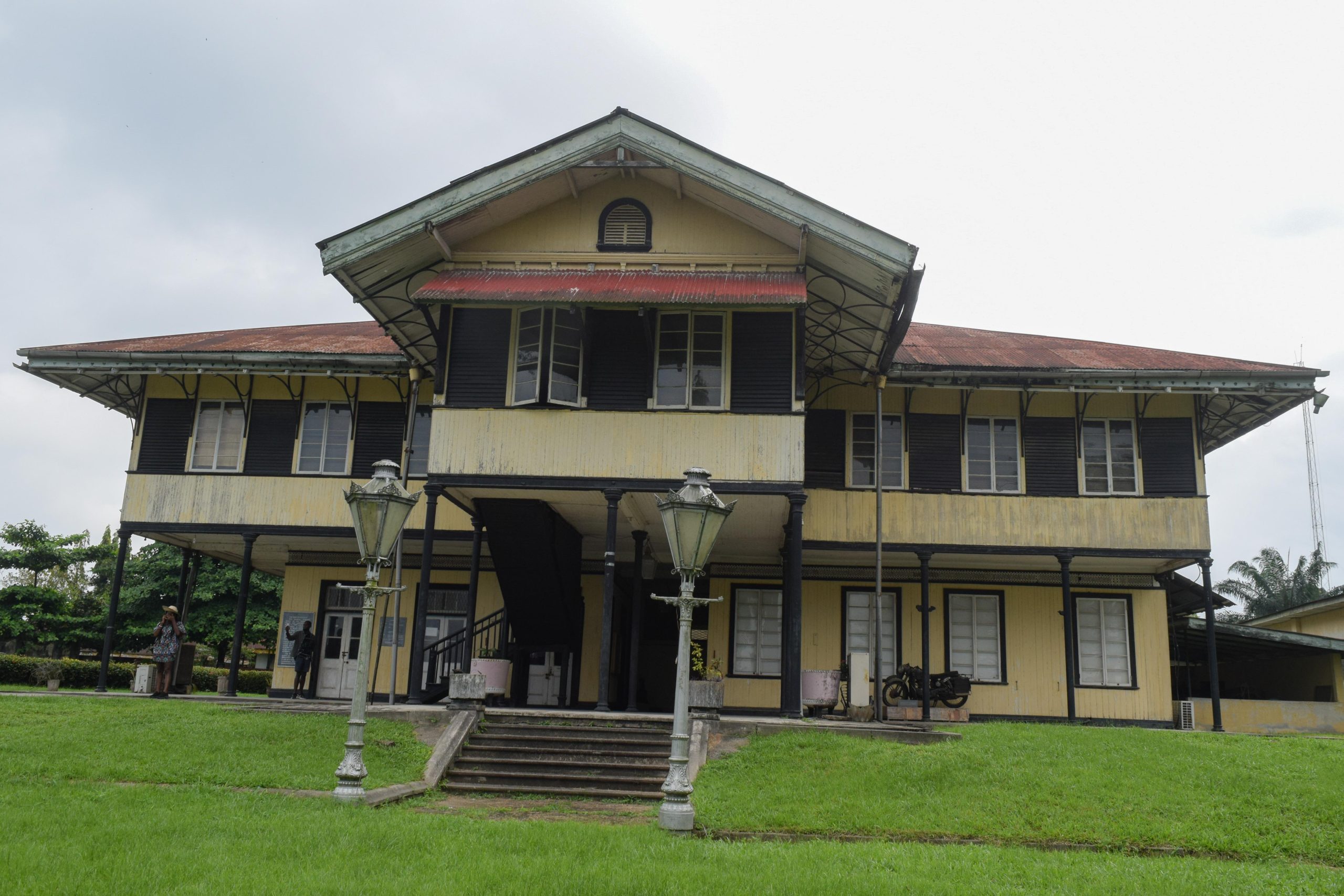
    • The National Museum Calabar – repository of ethnographic, historical, and artistic collections.

    4.2 Ikom Monoliths

    Located in Ikom, Cross River State, these carved basalt stones date between the 16th and 20th centuries. They hold significant archaeological, cultural, and spiritual value, and are recognized by UNESCO as part of Nigeria’s tentative heritage list.


    5. Findings and Discussion

    5.1 Contributions to Cultural Sustainability

    • Preservation of historical memory and identity.
    • Educational roles for schools, researchers, and the public.
    • Promotion of indigenous knowledge and heritage pride.

    5.2 Economic Potential

    • Tourism attraction capable of generating revenue for the local and national economy.
    • Opportunities for job creation in cultural industries (guides, artisans, hospitality).
    • Branding Nigeria’s heritage internationally for cultural diplomacy.

    5.3 Challenges Identified

    • Poor funding and infrastructure.
    • Low visitor turnout due to inadequate promotion.
    • Weak legislation and enforcement against vandalism and illicit trafficking of heritage.
    • Limited community involvement in management.

    5.4 Policy and Development Implications

    • Stronger NCMM funding and autonomy.
    • Integration of cultural heritage into Nigeria’s economic diversification policies.
    • Partnerships with private investors and international agencies.
    • Digitalization and marketing of Nigerian heritage globally.

    6. Conclusion

    Museums and monuments are not merely relics of the past; they are living assets that can sustain culture and generate non-oil revenue. The Calabar Museums and Ikom Monoliths showcase Nigeria’s untapped potential in heritage tourism. However, without deliberate government action, policy reform, and stakeholder collaboration, these sites will remain underutilized. Harnessing them effectively can contribute to cultural sustainability, economic diversification, and national development.


    References

    • Adebayo, K. (2018). Cultural Heritage and Economic Development in Nigeria: Potentials and Challenges. Journal of African Cultural Studies, 30(2), 145–162.
    • Okpoko, P. U. (2016). Heritage Management and Tourism in Nigeria. Nsukka: University of Nigeria Press.
    • Soini, K., & Birkeland, I. (2014). Exploring the scientific discourse on cultural sustainability. Geoforum, 51, 213–223.
    • UNESCO. (2021). World Heritage and Tourism in a Changing Climate. Paris: UNESCO.

  • Sustainable Tourism: Safeguarding The Osun-Osogbo Sacred Grove

    Sustainable Tourism: Safeguarding The Osun-Osogbo Sacred Grove

    By Raji Lilian Tolulope

    NCMM, Osogbo

    October 27, 2025

    Introduction


    The Osun-Osogbo Sacred Grove, nestled on the banks of the Osun River in Osogbo, Osun State, is one of Nigeria’s most revered cultural treasures. The Osun Ososgbo covers 75 hectares of land as its core zone and its buffer zone is about 47 hectares of land.

    The Authenticity and its Outstanding Universal Value made UNESCO to enlist it as a World Heritage Site on July 15th, 2005, as Nigeria’s Second World Heritage site after the Sukur cultural landscape in 1999, Adamawa state.


    UNESCO Enlistment Criteria

    The Osun-Osogbo Sacred Grove enlistment was based on three main criteria out of the ten (10) prescribed by the UNESCO World Heritage Committee:

    • Criterion (ii): Interchange of human values: The development of the “New Sacred Artists” movement, particularly through the absorption of the Austrian artist Suzanne Wenger into the Yoruba community, resulted in a significant exchange of ideas that revitalized the grove.
    • Criterion (iii): Unique cultural tradition: The Osun-Osogbo Grove is the largest and perhaps only remaining example of sacred groves that once surrounded most Yoruba settlements, now serving as a testament to the reflection of Yoruba cosmology.
    • Criterion (vi): Association with beliefs or living traditions: The grove is a physical representation of Yoruba divinatory and cosmological systems. The annual Osun-Osogbo Cultural Festival held there is a vibrant manifestation of the continuous link between the Osogbo people, their ruler, and the goddess Osun.

    It is home to sacred shrines, centuries-old sculptures, dense forests, and the annual Osun-Osogbo Cultural Festival that draws visitors from across the globe. Due to rising tourist numbers and urban pressures, the Osun Grove faces the challenge of balancing cultural celebration with conservation. The solution lies in Sustainable Tourism.


    The Role of Sustainable Tourism

    Sustainable tourism is about enjoying destinations without destroying them. It involves and ensures that while visitors experience the grove’s beauty and spirituality, its environment, traditions, and community remain protected.

    Applied to the Osun Grove, this concept can be realized through some key strategies, to include but not limited to the enumerated here in:

    Key Strategies

    1. ✓ Environmental Protection comes first and is a major strategy.
      • Tourists should be encouraged to avoid single-use plastics, and proper waste bins should be provided by NCMM, Osun State Governor through its State Ministry of Environment and State Ministry of Culture and Tourism, Festival Committee, NGOs, and Volunteers throughout the site.
      • Walkways should be maintained to prevent damage to sacred trees and scarred places such as shrines.
    2. ✓ Cultural Preservation is equally vital.
      • The grove is not just a site, but a sacred site and a living shrine.
      • Visitors must be guided on how to respect rituals, taboos, particularly during the Annual Osogbo festival.
      • This involves National Commission for Museums and Monuments, The king (Ataoja) of Osogbo land, the Osun State Government through the State Ministry for culture and tourism, traditionalists like the Ifá- and Osun devotees, local communities, and cultural advocates.
      • Trained local guides and custodians can serve as interpreters of the grove’s rich history, ensuring that traditions are not diluted but celebrated authentically.
    3. ✓ Economic Empowerment of the local community is another strategy that should be employed.
      • When visitors purchase crafts like Adire textiles, wood carvings, or food from local artisans, they help sustain livelihoods.
      • A portion of entrance fees can also be reinvested into the conservation and community projects, creating a cycle of growth and preservation.
    4. ✓ Education and Awareness will deepen the visitor experience.
      • A clear “Visitor Code of Conduct,” alongside brochures, guided tours, and interpretation centers, can help tourists appreciate the grove’s cultural and ecological value while encouraging responsible sustainable behavior.

    Regular assessments of visitor numbers and ecological health are essential for balancing tourism with conservation—especially in sacred and ecologically sensitive sites like Osun Sacred Grove.


    Essential Assessments

    Visitors Assessment

    • Monitor impact: High foot traffic can lead to soil erosion, littering, and disruption of wildlife.
    • Plan infrastructure: Helps determine where to place signage, and waste bins.
    • Control access: During peak times like the Osun-Osogbo Festival, managing crowd size protects both the environment and sacred rituals.

    Assessing Ecological Health

    • Protect biodiversity: Regular checks on plants and animal life ensure the Osun Osogbo Grove remains a thriving ecosystem.
    • Detect threats early: Pollution, invasive species, or illegal activities can be spotted and addressed quickly.
    • Guide restoration: Data helps inform reforestation, water quality improvement, and habitat protection efforts.

    These Assessments should be conducted by:

    • National Commission for Museums and Mounments (NCMM) and Osun State Ministry of Environment: Lead formal ecological surveys and visitor audits.
    • Our Universities and Researchers: Provide scientific expertise and long-term monitoring.
    • Community volunteers and NGOs: Assist with data collection and public education.

    Conclusion

    Finally, Partnerships and Monitoring are crucial. Collaboration between UNESCO, Government agencies, Traditional custodians, Stakeholders, and Non-Governmental Organisations will ensure that the Osun Osogbo Sacred Grove is protected for long term. Regular assessments of visitor numbers and ecological health will help keep tourism in balance with preservation.

    The Osun-Osogbo Sacred Grove is more than a tourist site—it is a living legacy of all Yoruba, their culture and spirituality. By embracing sustainable tourism, the Yoruba cultural heritage and traditions are protected for generations to come; Nigeria can protect this heritage for generations while showcasing it to the world in a way that honors both the past and the future.


    RAJI LILIAN TOLULOPE, ASSISTANT CHIEF HERITAGE OFFICER, National Commission for Museums and Monuments Ososgbo, tolulopeonome@yahoo.com

  • Museum Marketing: The China Example

    Museum Marketing: The China Example

    By Ojogho Chidiebere (Mrs)

    NCMM, Abuja

    September 17, 2025

    Introduction


    “Marketing is no longer about the stuff you make, but about the stories you tell.”Seth Godin

    My 2023 journey through China was a revelation. Beyond the ancient walls and jade artifacts, I discovered a masterclass in cultural business. What I witnessed was a total reinvention of the museum sector—a transformation that turned quiet archives into global powerhouses of influence and sustainable revenue.

    In less than twenty years, China has evolved its museums from static, object-centered halls into vibrant, community-driven hubs. This wasn’t a stroke of luck; it was the result of a deliberate national strategy that treats heritage as a living economic asset rather than a dusty historical record.

    The Evolution of Museum Strategy

    FeatureTraditional Archive ModelModern Innovation Model (The “China Example”)
    Core FocusPreservation of objects.Curation of human experiences.
    Visitor RolePassive observer (look, don’t touch).Active participant (interact, share, create).
    TechnologyStatic labels and glass cases.AR/VR, livestreaming, and AI-driven apps.
    RevenueDependent on grants and entry fees.Merchandising, events, and brand partnerships.
    ReachLocal and physical.Global and hybrid (physical + digital).
    PerceptionA place for the past.A hub for the future and creative industry.

    Mapping the Strategic Shift

    The diagram above illustrates how these various marketing pillars feed into a singular goal: transforming a museum from a silent building into a global cultural brand.

    China’s success proves that culture is currency. By treating our artifacts as the foundation for a modern creative economy, Nigeria can move from simply “protecting” history to “projecting” power.

    The Pillars of China’s Museum Revolution

    1. Storytelling as a Strategic Asset

    Chinese museums have moved beyond mere display; they now curate experiences. Every artifact is woven into a narrative of human struggle, national pride, or cultural evolution. Visitors don’t just observe history—they feel it. By extending these stories into VR, merchandise, and viral social media campaigns, engagement never truly ends when the visitor leaves the building.

    2. The Digital-First Model

    China has blurred the lines between technology and tradition. By leveraging AR/VR reconstructions, livestreamed tours, and interactive mobile apps, museums have achieved a hybrid visibility model. This allows them to reach millions of global citizens who may never physically step through their doors, creating a continuous cycle of interest and marketing.

    3. Global Branding and Power Partnerships

    Major institutions now operate like elite global brands. With consistent, modern aesthetics and high-level collaborations—spanning tourism boards, international ministries, and corporate giants—China has positioned its museums as central players in cultural diplomacy.

    4. The Gift Shop as a Revenue Engine

    In China, the museum shop is a sophisticated cultural marketplace. These are not mere souvenir stands but powerful revenue streams offering:

    • High-fidelity replicas and fine jewelry.
    • Modern fashion inspired by ancient motifs.
    • Educational tools and high-end home décor. Every product is a “brand ambassador” that carries the museum’s story into the homes of the public.

    5. Museums as Social Centers

    By hosting night tours, fashion shows, and film festivals, these institutions have become “social anchors.” They have successfully captured the younger demographic, proving that a museum can be both an educational bastion and a buzzing entertainment destination.


    Lessons for Nigeria: The NCMM Opportunity

    China’s success provides a roadmap for what is possible when strategy meets heritage. Nigeria possesses one of the most diverse cultural footprints on earth, positioning the National Commission for Museums and Monuments (NCMM) for a similar renaissance.

    Achieving this requires a radical departure from outdated operational models. We must move toward a future where our museums:

    • Generate independent, sustainable revenue.
    • Strengthen national identity through modern storytelling.
    • Drive the creative economy and tourism jobs.

    A Call to Visionary Action

    The path forward is already being cleared. It is vital to commend the new Director-General of the NCMM, whose bold leadership—particularly the recent digitization initiatives in Lagos—signals a break from stagnation. This vision is exactly what is needed to transition Nigerian museums into the modern era.

    However, this is only the beginning.

    To compete on the global stage, the NCMM must fully embrace these emerging realities. We must prioritize digital innovation, strategic global branding, and community partnerships. By shedding the old ways and adopting a “living asset” mindset, we can transform our museums into world-class institutions that inspire the next generation and command global respect.


    About the Author

    Ojogho Chidiebere is a cultural researcher and a Curator with the National Commission for Museums and Monuments, (NCMM) Abuja.


  • Museums and Mental Health: The Impact of Cultural Engagement on Well-being

    By Halima. Abdullahi

    NCMM Abuja

    February 12, 2024

    Introduction

    Museums have increasingly been recognized as more than repositories of cultural artifacts; they are becoming therapeutic spaces contributing to public well-being. This paper explores the intersection between museums and mental health, focusing on how cultural engagement within museum settings positively impacts psychological and emotional wellness. Using qualitative and quantitative data drawn from global and Nigerian case studies, the paper investigates the efficacy of museum-based programs in promoting mental health outcomes, reducing social isolation, and enhancing individual self-worth. The study also highlights challenges faced by Nigerian museums in leveraging this potential and suggests pathways for integrating mental health strategies into cultural policy and museum practice. Findings suggest that structured cultural interventions, such as participatory art programs, storytelling sessions, and community heritage activities, significantly contribute to stress reduction, emotional expression, and social cohesion. The study concludes by advocating for increased collaboration between museums, mental health practitioners, and policymakers to optimize the therapeutic potential of cultural institutions in Nigeria.

    The 21st century has witnessed a reimagining of museums from being merely curatorial spaces to active social agents promoting inclusivity, education, and well-being. As global mental health concerns rise, especially in the aftermath of crises such as the COVID-19 pandemic, institutions are reevaluating their societal roles. Mental health, encompassing emotional, psychological, and social well-being, requires diverse interventions beyond traditional medical approaches. Cultural engagement, particularly within museum contexts, is emerging as a viable supplement to clinical therapies.

    In Nigeria, museums hold the potential to foster healing through the country’s rich and diverse cultural narratives. However, their role in mental health remains underexplored. This paper investigates how museum experiences contribute to individual and community mental health and explores opportunities for Nigerian museums to engage more deeply in this transformative function.


    Defining Mental Health and Cultural Engagement

    The World Health Organization (2021) defines mental health as a state of well-being in which individuals realize their abilities, cope with normal life stresses, work productively, and contribute to their community. Cultural engagement, in this context, refers to active participation in cultural or artistic activities, including visiting museums, interacting with exhibits, or engaging in creative workshops.

    The Museum as a Therapeutic Space

    Museums are increasingly recognized as “third spaces”—neither home nor workplace—where individuals can engage in reflective, meaningful interactions. The concept of “museum therapy” is gaining prominence in Europe and North America, where museum visits are being prescribed as non-clinical mental health interventions (Chatterjee & Noble, 2016). These practices align with holistic approaches that consider social and cultural determinants of mental health.


    Global Perspectives on Museums and Mental Health

    Empirical studies from the UK, Canada, and Scandinavia demonstrate that museum programs targeting vulnerable populations (e.g., dementia patients, socially isolated elderly, refugees) have yielded positive mental health outcomes (Todd et al., 2017; Camic & Chatterjee, 2013). Programs like “Museums on Prescription” in the UK are particularly notable for their structured incorporation into public health systems.

    African and Nigerian Contexts

    In Africa, scholarly attention to museums’ therapeutic potential remains limited. Nigerian museums have primarily focused on preservation and education (NCMM, 2020), with little emphasis on participatory or health-centered initiatives. Nonetheless, the communal nature of Nigerian culture, where oral history, music, and symbolic art serve as mechanisms of expression and healing, provides a culturally resonant foundation for museum-based mental health engagement.

    Emotional Benefits of Museum Engagement

    Participants frequently described museum visits as calming, reflective experiences. Viewing historical artifacts and artworks triggered personal memories and fostered a sense of continuity and identity. These observations align with Csikszentmihalyi’s theory of “flow,” where deep engagement in a cultural activity results in stress reduction and heightened focus (Csikszentmihalyi, 1990).

    Museums as Tools Against Social Isolation

    In Nigeria’s urban centers, rising loneliness—particularly among youths and the elderly—has become a silent mental health crisis. Museums that host group tours, community storytelling sessions, or youth heritage clubs provide safe environments for interpersonal connection. The National Museum Lagos, for instance, runs occasional youth heritage festivals, though these are infrequent due to funding limitations.

    Participatory Programs and Psychological Healing

    Interactive art and oral history projects initiated in small-scale settings, such as the CRIMMD Museum’s storytelling sessions, show significant promise. Participants reported feelings of validation, nostalgia, and emotional catharsis when sharing personal or familial narratives tied to displayed objects. This aligns with trauma-informed care principles where storytelling aids recovery.

    Cultural Identity and Self-esteem

    Nigerian cultural heritage offers rich symbols of resilience and identity. For marginalized groups, engagement with ancestral artifacts and histories reinforces a positive sense of belonging. This is particularly important for displaced populations, such as those affected by Boko Haram insurgencies in the North-East. Portable or mobile museums could offer heritage-based interventions in such settings.


    Challenges and Barriers

    Funding and Institutional Support

    Most Nigerian museums operate underfunded, with limited capacity for program innovation. Mental health programming requires interdisciplinary collaboration and sustained financing, which current structures within the National Commission for Museums and Monuments (NCMM) are not yet fully equipped to support.

    Stigma Around Mental Health

    Social stigma remains a significant barrier to engaging in mental health-oriented programs. Museums must carefully frame such programs to avoid alienating participants. Terms like “well-being” or “creative expression” may prove more culturally acceptable.

    Training and Capacity Building

    Curators and museum staff generally lack training in mental health sensitivity. Professional development programs that include mental health literacy, trauma awareness, and community engagement strategies are essential.


    Recommendations

    1. Develop Inclusive Programming: Nigerian museums should design low-cost, participatory programs such as art therapy workshops, memory circles, and intergenerational storytelling.

    2. Policy Integration: Mental health and cultural policies should intersect. NCMM, the Ministry of Health, and the Ministry of Culture and Information can collaborate on integrated initiatives.

    3. Capacity Building: Invest in training museum professionals on mental health awareness and participatory facilitation.

    4. Research and Evaluation: Encourage academic partnerships to study the impacts of museum programs on mental health and share findings regionally.

    5. Mobile and Digital Platforms: Explore mobile museums and virtual exhibitions to reach underserved or displaced populations.


    Conclusion

    Museums in Nigeria have the potential to become vital public health partners, addressing emotional and social needs through cultural engagement. By integrating mental health frameworks into programming, Nigerian museums can transcend their traditional roles and contribute meaningfully to national well-being. A paradigm shift—from preservation to participation—is necessary. With institutional support, funding, and intersectoral collaboration, museums can be transformed into healing spaces for Nigeria’s diverse communities.


    References

    Camic, P. M., & Chatterjee, H. J. (2013). Museums and art galleries as partners for public health interventions. Perspectives in Public Health, 133(1), 66–71. https://doi.org/10.1177/1757913912468523

    Chatterjee, H. J., & Noble, G. (2016). Museums, health and wellbeing. Routledge.

    Csikszentmihalyi, M. (1990). Flow: The psychology of optimal experience. Harper & Row.

    National Commission for Museums and Monuments. (2020). Annual report on museum development and cultural heritage in Nigeria. Abuja: NCMM.

    Todd, C., Camic, P. M., Lockyer, B., & Thomson, L. J. (2017). Museum-based programs for socially isolated older adults: Impacts on subjective well-being and social inclusion. Aging & Mental Health, 21(3), 275–282. https://doi.org/10.1080/13607863.2016.1181709

    World Health Organization. (2021). Mental health: Strengthening our response. https://www.who.int/news-room/fact-sheets/detail/mental-health-strengthening-our-response

  • The Museum As A Tool For Youth Development

    The Museum As A Tool For Youth Development

    Oshoke Rex Success

    NCMM Abuja

    July 21, 2023

    Introduction:


    Museums are complex and multifaceted institutions, defying simple categorization. Far from being limited to specific domains like art or science, they serve a broader societal purpose. According to the International Council of Museums (ICOM), a museum is defined as “a permanent non-profit institution in the service of society and its development which collects, conserves, researches and interprets for the purposes of study, education and enjoyment, the material and non-material evidence of man and his environment.”

    Historically, museums have played a vital role in society by providing access to materials that inform, educate, and entertain. They often fill gaps left by other institutions, such as schools, particularly in underserved communities. Museums bear a significant responsibility toward the communities they inhabit, and within these communities, the youth population (ages 9-19) is particularly important. Consequently, focusing on youth development is an indispensable aspect of the modern museum’s mission. This article explores how museums contribute to youth development through targeted programming.


    Key Program Areas for Youth Development

    Museums can effectively aid in the development of young people by concentrating their programs on several key areas:

    1. Youth-Centered Programs

    These programs are designed to tap into the diverse talents, skills, and interests of young people, building upon their inherent strengths. They often involve extracurricular learning activities that revolve around the museum’s collections. Children are encouraged to actively participate in museum processes, fostering the development of skills, responsibility, leadership, and an understanding of history. Examples often include Saturday art clubs and holiday clubs offered by various museums.

    • 2. Knowledge-Centered Programs

    With a clear focus on education, these programs provide high-quality instruction. Participating youth often benefit from the guidance of both program educators and community members. Museums can host science fairs, for instance, where the focus is on the historical and ongoing progression of scientific discovery, allowing young people to grasp the evolution of societal knowledge.

    • 3. Community-Centered Programs

    Museums can cultivate nurturing, family-like environments within these programs, fostering trusting relationships. They establish clear guidelines, assign responsibilities to participants, and ensure consistent access to adult mentors and community members. This approach builds a strong sense of belonging and empowers young individuals.


    Strategies for Meaningful Youth Engagement

    These key areas are critical for successful museum programming and ensure that museums contribute meaningfully to youth development through several strategies:

    • Capacity Building: Equipping young people with new skills and knowledge.
    • Partnerships: Collaborating with other organizations and community groups.
    • Youth-Driven Programming: Allowing young people to have a voice and an influence in program design.
    • Opportunities for Contribution: Empowering youth to make tangible contributions.

    When museum activities are structured to allow young people to be active participants with a degree of choice and control over their activities, they become empowered. This empowerment promotes leadership skills and fosters deeper, more meaningful learning experiences. By genuinely listening to youth and shifting the focus from simply working for them to working with them, museums can become catalysts for positive community change.

    For example, when museums organize after-school programs that involve teenagers in research and evaluation projects related to the design and implementation of the youth program itself, it serves multiple purposes:

    • It enhances the individual development of young people and encourages their active involvement in decisions that affect their lives.
    • It contributes to the organizational development of the museum.
    • It provides youth with the invaluable opportunity to create real community change.

    Globally, young people are increasingly involved in museums, recognizing that heritage is not merely a relic of the past but an integral part of their identity. Transmitting heritage values to youth through innovative museum programming fosters intercultural understanding, respect for cultural diversity, and ultimately contributes to the overarching goal of youth development.


    Conclusion

    In conclusion, the museum, far from being a static repository of history, is a dynamic institution with immense potential for fostering youth development. By strategically implementing youth-centered, knowledge-centered, and community-centered programs, museums can cultivate essential skills, promote leadership, and encourage active civic engagement among young people. When museums embrace a collaborative approach, truly involving youth in program design and implementation, they not only enrich the lives of individuals but also contribute significantly to the broader community. The role of museums in shaping the next generation’s understanding of heritage, promoting cultural diversity, and empowering them to be agents of change cannot be overstated, making them indispensable tools for holistic youth development.

  • Abuja: A Planned Capital City Without a National Museum

    Abuja: A Planned Capital City Without a National Museum

    Abayomi Oshadami

    NCMM Abuja

    March 10, 2025

    1. Introduction: The Vision Behind Nigeria’s New Capital

    Nigeria’s decision to move its capital from Lagos to Abuja was rooted in a desire to escape the chaos of an overpopulated and inadequately planned urban center. In August 1975, General Murtala Muhammed inaugurated a committee led by Justice T.A. Aguda to recommend a more suitable location for a federal capital. This led to the birth of Abuja—a centrally located, neutral, and supposedly well-planned capital envisioned to reflect national unity and modern urban development.

    However, more than three decades after Abuja officially became the seat of power in 1991, one of the most fundamental markers of national identity—a National Museum—remains conspicuously absent.

    2. Museums as Pillars of National Identity and Global Perception

    Globally, museums serve as custodians of cultural heritage and national pride. They are essential not only for preserving history but also for showcasing the socio-cultural dynamism of a people. For any capital city, especially one designed from scratch like Abuja, the absence of a national museum represents a significant cultural vacuum. For example:

    • The British Museum in London, founded in 1753, is a global model for historical preservation and cultural education.
    • The Smithsonian Institution in Washington, D.C., comprises 21 museums and is central to America’s national memory.
    • The Louvre in Paris, home to the Mona Lisa, is not just a museum but a national treasure that draws millions annually.
    • The National Museum of China in Beijing, located on Tiananmen Square, is one of the largest in the world, showcasing China’s civilization and political evolution.

    The fact that Abuja lacks a similar institution reflects a cultural void unbefitting of Nigeria’s national stature.

    Lagos, the former capital, hosts a functional museum in Onikan, established in 1957. Before that, Nigeria had already inaugurated museums in Esie (1945), Jos (1952), and Ife (1954)—demonstrating a national commitment to cultural preservation. Thus, it is both ironic and disheartening that Abuja, the nation’s capital, lacks such an institution.

    3. Abuja’s Master Plan: A Museum Intended, But Never Realized

    A thorough review of Abuja’s original Master Plan reveals that provision was made for a National Museum of Unity in the city’s Central Area, specifically within the Cultural Zone of the Asokoro-Garki axis. The site, measuring 40,000 square meters, lies strategically between Babangida Drive and Hospital Avenue, directly facing the National Christian Centre. This ideal location promised easy access and a dignified setting for a national cultural institution.

    The Cultural Zone also included provisions for the National Cathedral, the National Square, the National Library, and the National Mosque. Ironically, of all these structures, only the museum remains unbuilt. Instead, the site is now occupied by the yet-to-be-completed Millennium Tower, a project that has effectively disrupted the master plan and further complicated efforts to establish the museum.

    4. Lost Opportunities: Cultural Diplomacy and Tourism in Limbo

    The absence of a national museum in Abuja undermines Nigeria’s ability to engage in cultural diplomacy. Heads of states, diplomats, and international dignitaries often expect cultural immersion during official visits. Museums are typically the first stop for such guests in other capital cities, where they are treated to curated exhibitions that celebrate national identity.

    Abuja’s failure to meet this global standard is a glaring anomaly. It limits the city’s cultural capital and its tourism potential, especially considering its role as the epicenter of federal governance and international diplomacy in Nigeria.

    5. Administrative and Political Hurdles: A Legacy of Inertia

    Efforts by the National Commission for Museums and Monuments (NCMM) to secure alternative sites have consistently failed. The problem is not merely technical—it reflects a broader administrative lethargy and a lack of political will. Successive Ministers of Culture have expressed interest but failed to deliver tangible results. The dream has remained on paper, abandoned to bureaucracy and competing political priorities.

    The construction of the Millennium Tower on the museum’s designated site symbolizes more than just poor urban planning—it highlights how cultural development often takes a backseat to commercially or politically driven projects.

    6. A Call for Action

    With decades of inertia, it is imperative that serving Director-General of the National Commission for Museums and Monuments (NCMM) should place the establishment of a National Museum in Abuja as a topmost priority. The lack of a national museum in Nigeria’s capital is a national oversight that demands urgent redress.

    DG must treat this project as a cultural emergency, deploying strategic advocacy, stakeholder engagement, fund mobilization, and inter-agency collaboration to revive and implement the original plan. The museum should be conceptualized not just as a building but as a dynamic cultural hub—symbolizing unity, preserving heritage, and projecting Nigeria’s identity to both citizens and the global community.

    Failure to act now only deepens the cultural void at the heart of the capital and diminishes the country’s cultural reputation.

    7. Conclusion: The Case for Urgency and Cultural Redemption

    Abuja’s status as Nigeria’s capital city remains incomplete without a National Museum. In a multicultural nation like Nigeria, a museum is not just a repository of artifacts—it is a space of collective memory, national dialogue, and identity assertion.

    For Abuja to truly reflect the spirit and diversity of the Nigerian federation, it must house a national museum that showcases its rich heritage and serves as a bridge between past, present, and future. Only then can the city fully claim its place among the world’s great capital cities.