Author: admin

  • Not About Religion: Misplaced Beliefs And Undermined National Museum’s Future

    Not About Religion: Misplaced Beliefs And Undermined National Museum’s Future

    Yinka Olajubu

    May 6, 2025
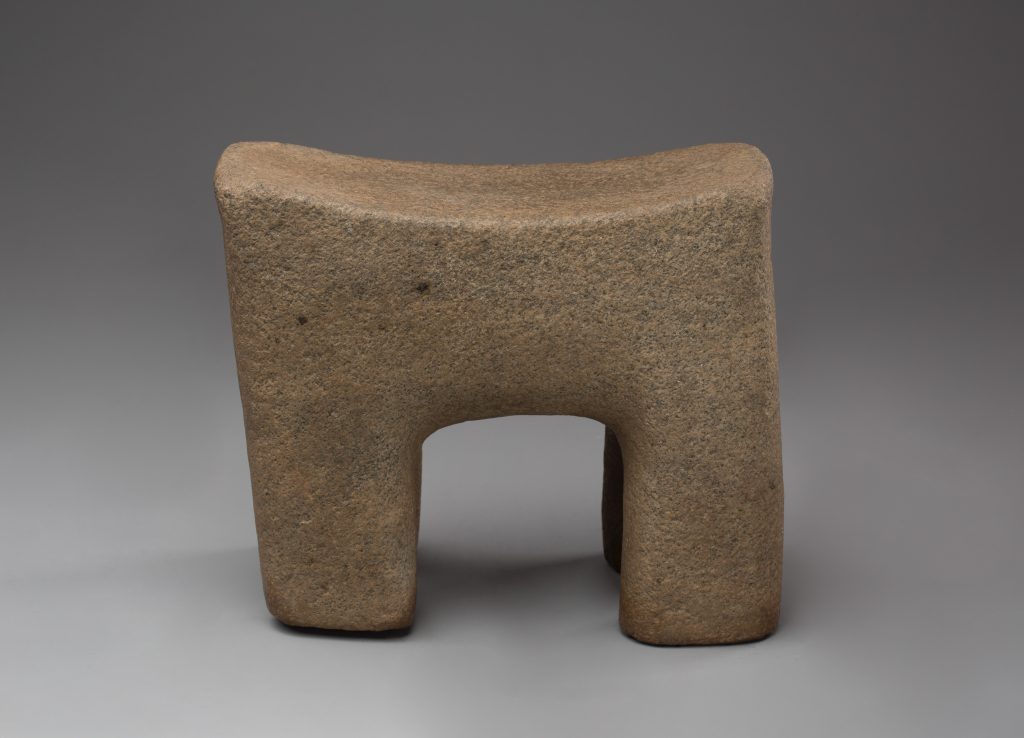

    In many parts of the world, museums are revered as sacred spaces, not in the sense of religious sanctuaries, but as sanctuaries of memory, knowledge, and identity. They function as vital custodians of humanity’s collective experience, preserving artifacts, stories, and expressions that chart the rise and evolution of civilizations. These institutions are places where history, creativity, and innovation converge, offering the public a tangible connection to the past and a deeper understanding of the present. In cities across Europe, Asia, the Americas, and parts of Africa, museums are often central to national pride, integrated into education systems, tourism industries, and cultural policies. They are treated not merely as buildings but as living repositories of a people’s journey, reflecting values, worldviews, and accomplishments across generations.

    In Nigeria, museums were founded with similar noble intentions. They were conceived as institutions to document and protect the country’s rich and diverse cultural heritage, showcasing the technological, spiritual, political, and artistic ingenuity of Nigeria’s many ethnic groups. These museums were meant to be more than just storage facilities for artifacts; they were envisioned as dynamic spaces for dialogue, learning, and identity formation, places where Nigerians could encounter their past, reflect on their present, and shape their future. They are meant to act as both archives and predictors: capturing ancient wisdom while inspiring contemporary innovation.

    However, despite their foundational mission, Nigerian museums remain underutilized, underfunded, and often misunderstood. The institution of the museum has yet to be fully embraced by the very society it was built to serve. Rather than being seen as essential pillars of national identity and education, many museums in Nigeria are regarded with indifference, suspicion, or even fear. This disconnect reflects a broader cultural crisis, one where modern misconceptions, especially those rooted in religious or colonial biases, obscure the true purpose and value of heritage preservation. As a result, these institutions struggle to fulfill their transformative potential in shaping an informed, unified, and forward, looking society.
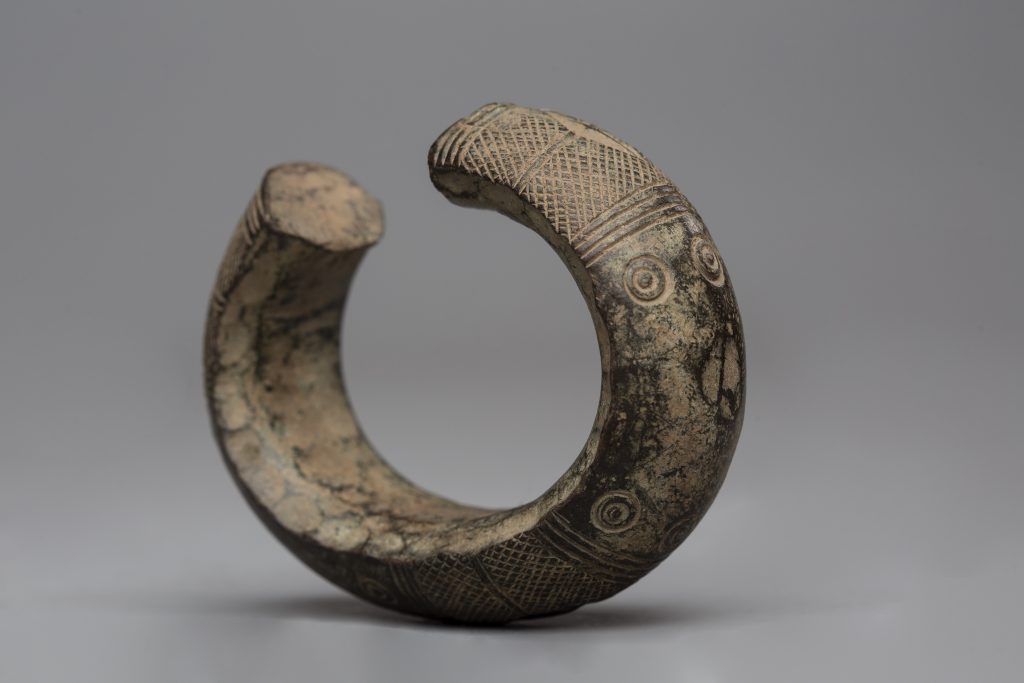

    The Role of the NCMM: Preserving the Soul of a Nation

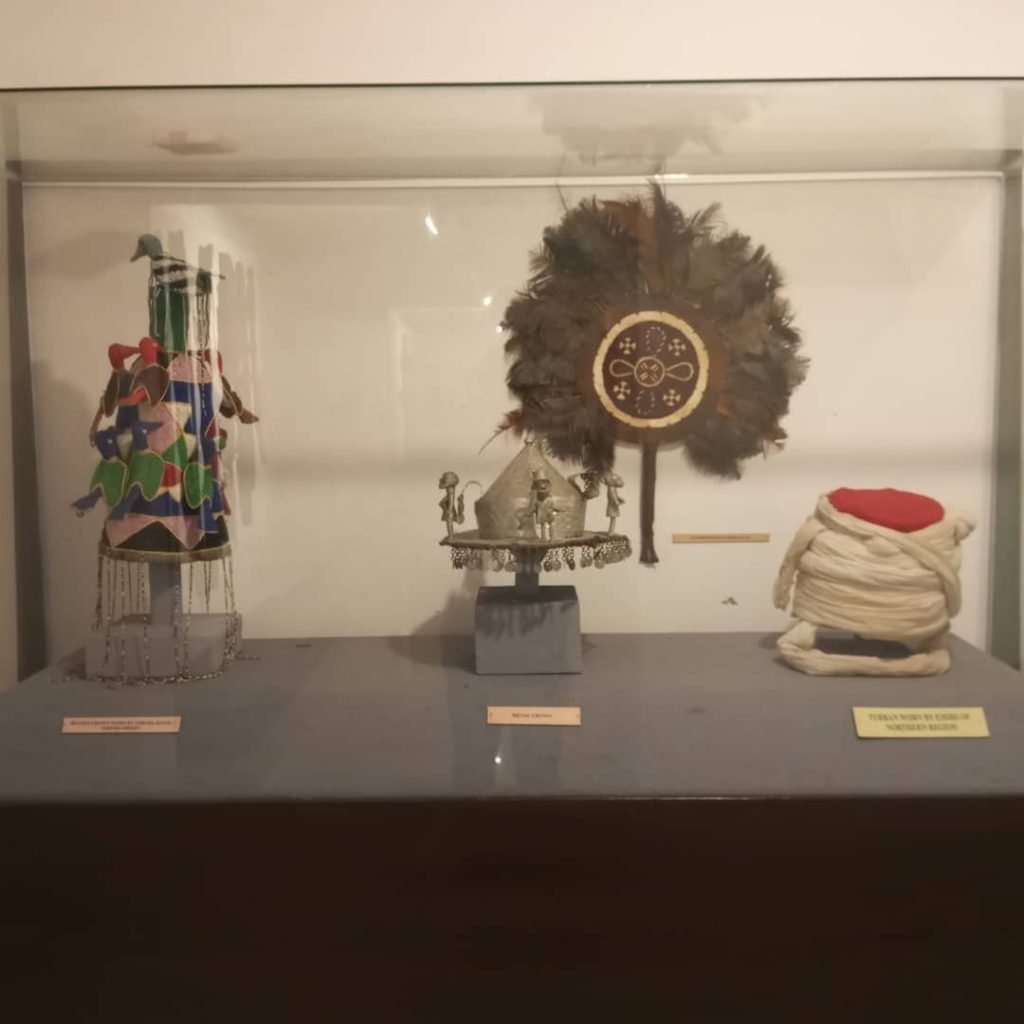
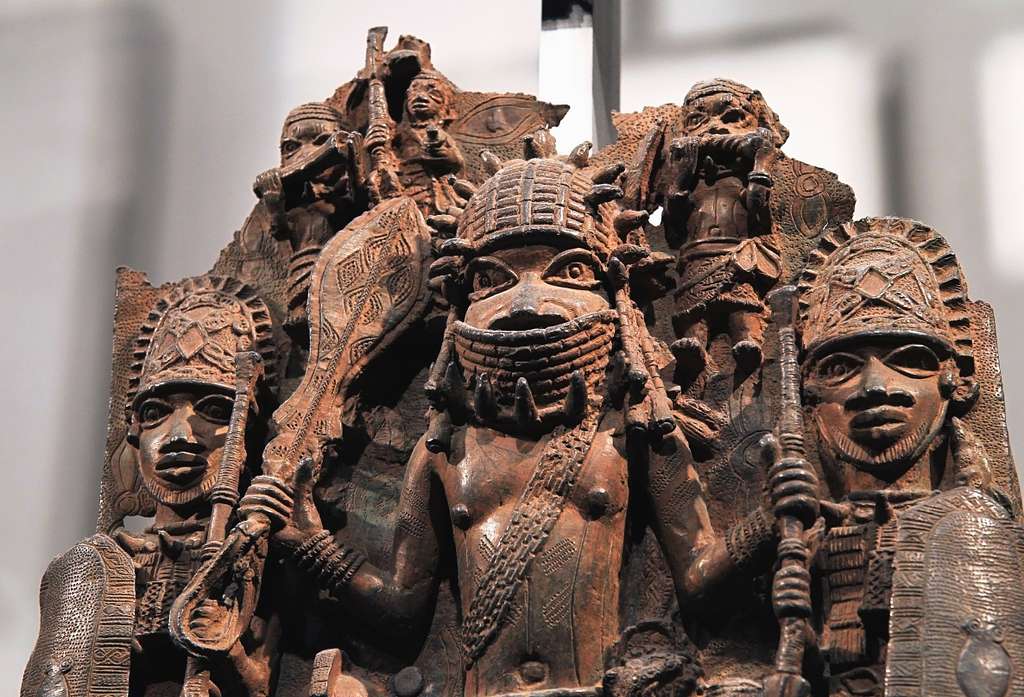
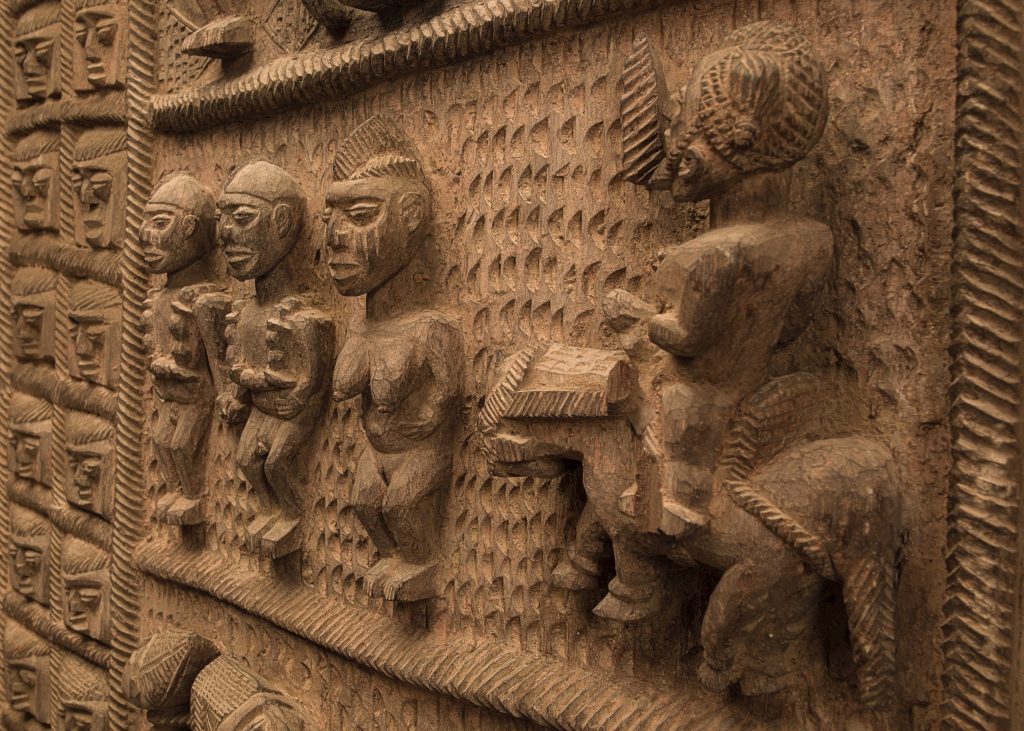
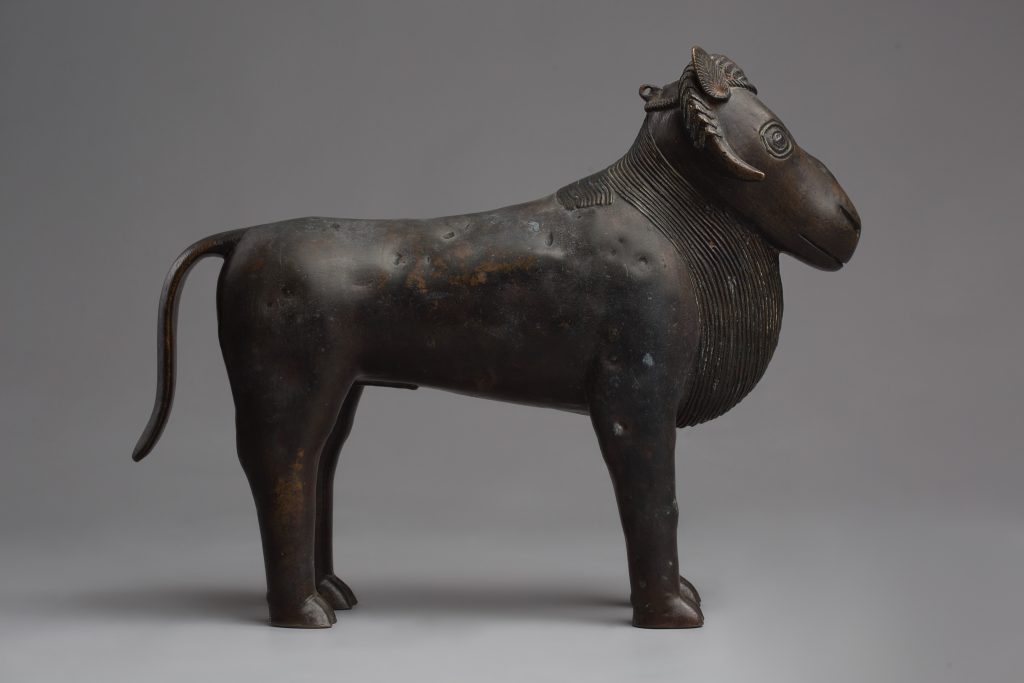
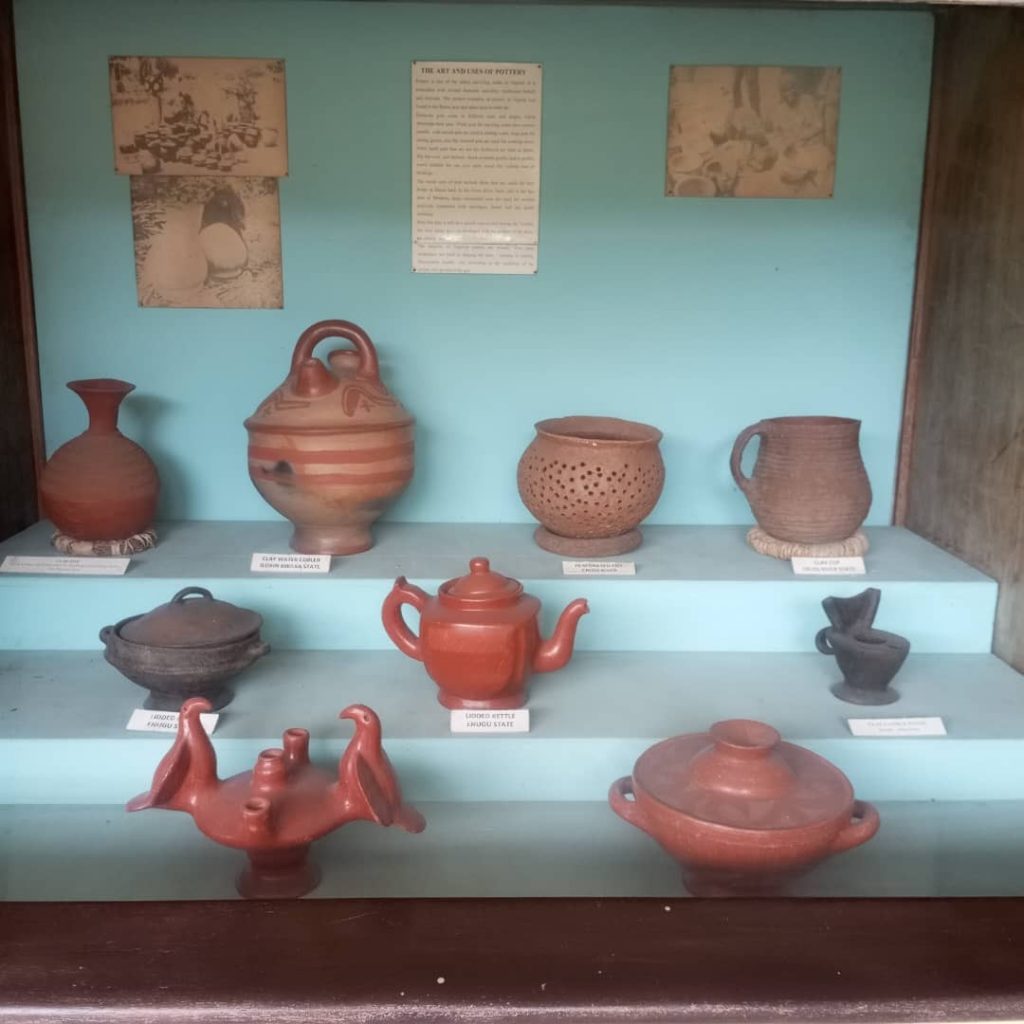
    The National Commission for Museums and Monuments (NCMM) is the guardian of Nigeria’s collective memory. Through its widespread network of museums and heritage sites, it houses thousands of objects that stand as undeniable evidence of the civilizations that thrived across the diverse landscapes now known as Nigeria. These artifacts, elegantly sculptured terracotta  figures from the Nok, intricately cast Benin Bronzes, woven Akwete textiles, ancient tools, ritual vessels, and ceremonial regalia, speak volumes of the sophistication, governance systems, aesthetics, and belief structures of our ancestors. They tell of a people who lived with meaning, organized themselves with intention, and expressed their values through masterful artistry and innovation.

    These objects are not idols to be feared. They are not threats to religious purity or moral standing. Rather, they are material testimonies to the ingenuity, complexity, and creativity of our forebears. They remind us that long before colonial contact or the arrival of modern religions, there was civilization, rich, expressive, and ordered. The NCMM, in this regard, does not promote any deity; it promotes heritage. It preserves the human journey of Nigerians, one that deserves to be known, understood, and passed on.


    Museums as Engines of Cultural and Economic Growth

    Across the world, museums are thriving, not just as repositories of culture, but as dynamic engines of diplomacy, education, and economic development. In countries like France, the United Kingdom, China, and Egypt, museums are not passive institutions but active contributors to national development strategies. They attract millions of visitors annually, generate significant revenue through tourism, support thousands of jobs, and shape the global narrative of a country’s cultural identity.

    Cultural tourism, especially, has emerged as a major contributor to GDPs in many nations. The Louvre in Paris, the British Museum in London, the Smithsonian in Washington, and the Egyptian Museum in Cairo are more than buildings, they are symbols of national prestige and tools of soft power. Scholars, artists, collectors, researchers, students, and tourists flock to these institutions not just for leisure, but for learning and inspiration. Their economic impact is undeniable; their social influence is enduring.

    Nigeria, with its vast and diverse cultural heritage, holds similar potential, if not greater. From the Nok Terracottas to the Ife Bronzes, the Benin Kingdom masterpieces to Igbo-Ukwu treasures, we are home to world, class heritage. Yet, we have failed to properly harness this wealth. The Nigerian Museum system is riddled with neglect, poor funding, lack of infrastructure, and public indifference. Despite having the raw materials for a robust cultural industry, we have not transformed them into sustainable assets. Why? Because of a deep, seated misunderstanding that continues to undermine every attempt at progress.


    Religious Misconceptions and the Crisis of Museum Identity in Nigeria

    To say Nigerian museums have suffered is an understatement. For decades, they have been casualties of a profound identity crisis, caught between cultural preservation and religious suspicion. Despite their purpose being educational and historical, museums in Nigeria are frequently viewed through a lens of fear and spiritual unease. The collections they house, particularly those associated with precolonial spiritual practices, are often branded as fetish, demonic, or cursed.
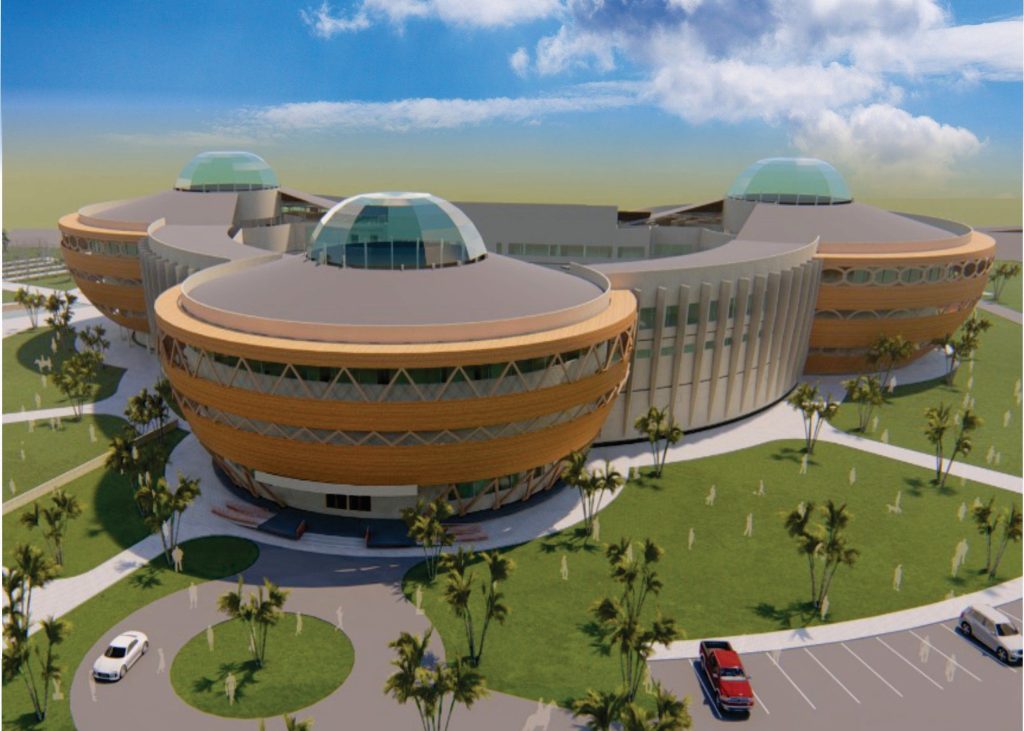
    A model of the proposed National Museum Abuja

    This misinterpretation is fueled by religious ideologies, primarily from the two dominant faiths in Nigeria: Christianity and Islam. Both religions, in their most conservative expressions, preach a strong stance against idolatry and often discourage any engagement with ancestral objects. From pulpits and prayer houses to mosques and religious gatherings, congregants are warned against “unclean” or “pagan” artifacts. The museum, then, is unjustly labeled as a place of spiritual danger, a shrine to a past that must be rejected, rather than a portal to a past that must be understood.

    This theological bias has done more than shape public opinion; it has influenced political will. Governments hesitate to invest in museum infrastructure for fear of backlash or appearing to promote traditional belief systems. Museum staff are sometimes stigmatized or ridiculed for their profession. Public outreach is stifled. Opportunities for international collaboration are underutilized. The result is a national heritage sector that is underappreciated, underfunded, and undervalued. But this need not be our permanent reality. A cultural reawakening is not only possible, it is urgent.

    This misrepresentation was even embedded in the urban planning of Abuja, Nigeria’s capital city. When the Federal Capital Territory was being developed, land was thoughtfully allocated for national institutions that reflect the diversity and identity of the nation. At the heart of the city, adjacent to the National Mosque and the National Christian Centre (National Church), was a plot allocated for the National Museum. This placement should have been symbolic, a visual reminder of Nigeria’s three, fold identity: Islamic, Christian, and traditional heritage. Yet, instead of honoring this triad, the decision became controversial.

    Some saw it as an attempt to equate the museum with the “traditional religion,” as if the institution’s purpose was religious rather than cultural. Over time, this perception led to political reluctance and bureaucratic paralysis. Successive governments, hesitant to invest in what was now framed as a shrine to “paganism,” allowed the allocated museum plot to be quietly taken over, without replacement, without public outcry. A national insult, quietly accepted.
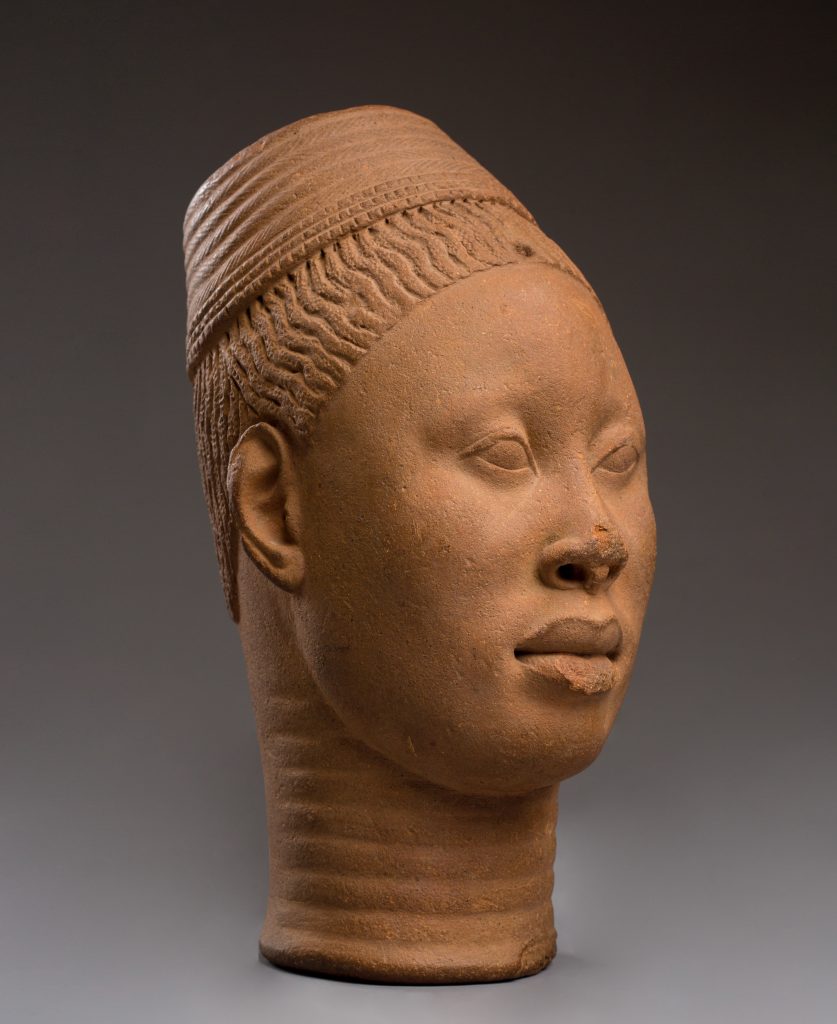
    But let us be clear: a museum is not a temple. It is not a site of worship. It is a place of knowledge, of memory, and of identity. It exists to tell the stories of a people, their struggles, triumphs, inventions, and transformations. When we reject our museums, we reject the story of who we are. And worse, we create a cultural amnesia that leaves future generations unanchored.

    If Nigeria is to truly harness the power of its museums, we must first separate them from the fog of religious suspicion. This shift must start with education and public reorientation. Leaders of thought, educators, artists, and yes, religious leaders, must come to see that celebrating our cultural history is not in conflict with faith. In fact, understanding where we come from can deepen our sense of purpose and place.

    There’s a sobering story that illustrates just how deep this misunderstanding of museums and cultural heritage runs in some parts of society. A museum professional once paid a visit to a place of worship, expecting a routine interaction. During the round of introductions, he mentioned that he worked at the national museum—an institution that should inspire national pride and cultural appreciation. However, what should have been a moment of recognition and respect quickly turned into an ordeal that laid bare the extent of misinformation and stigma surrounding museum work.

    Rather than commending his role in preserving the nation’s history and cultural treasures, the preacher immediately cast suspicion on his profession. Seizing the moment, the preacher turned the museum worker into the central subject of his sermon. He warned the entire congregation of the so-called spiritual dangers posed by artifacts, ancestral objects, and museum collections. According to his interpretation, working with such objects meant engaging with demonic or unclean spirits. What followed was even more disturbing: the museum staff member was subjected to a rigorous “deliverance” session, prayed over and treated as though he were spiritually contaminated, simply because of his profession. He was not seen as a cultural ambassador or an educator, but rather as someone lost in darkness.

    This experience is far from unique. Many museum professionals in Nigeria and beyond have similar stories, where their work is misunderstood, feared, or condemned—often by those with significant influence in their communities. These incidents highlight the urgent need for public education, interfaith dialogue, and cultural sensitization to bridge the gap between heritage professionals and the society they serve. Until the misconceptions surrounding museums are addressed, such harmful encounters will continue to undermine the value of cultural preservation and the dignity of those who dedicate their lives to it.

    The Way Forward: Reclaiming Museums for All Nigerians

    To undo the damage and reposition museums as vital cultural institutions, a collective effort is required. The federal and state governments must prioritize museum development as a strategic component of national identity and tourism. Funding, infrastructure, and legislation to protect museum properties and heritage should be non-negotiable. The National Commission for Museums and Monuments (NCMM) and its professionals must lead this transformation from within. They should actively engage in public education, community outreach, and partnerships with schools, religious institutions, and the media. Through exhibitions, mobile museums, and digital platforms, NCMM can demystify its collections and make them more accessible and relatable. Museum staff must also become cultural ambassadors—knowledgeable, visible, and proactive in changing perceptions and advocating for the value of heritage in modern Nigerian life.

    Religious and educational institutions also have a critical role to play. Faith leaders must be encouraged to promote a more enlightened view of cultural heritage, clarifying that appreciating one’s history is not equivalent to idol worship. Interfaith dialogues and educational workshops can bridge this gap. At the same time, Nigerian history and cultural heritage should be embedded in the curriculum at all levels of education. Regular school visits to museums can help young people grow up seeing them as places of pride and learning, helping to dispel outdated stigmas.

    The media and creative industries are equally powerful in reshaping public opinion. Artists, musicians, filmmakers, and journalists can tell stories that celebrate Nigeria’s diverse cultures and traditions. Well-crafted media campaigns can reposition the museum as a source of inspiration rather than fear. Ultimately, every Nigerian has a role to play—by visiting museums, asking questions, advocating for heritage protection, and rejecting unfounded stigmas, the public becomes an active force in preserving and valuing the nation’s rich cultural legacy.

    Conclusion: Our Past, Our Power

    In the end, what we choose to preserve says everything about who we are and what we value. The museum is not a place to fear, it is a place to remember, to learn, and to dream. If we continue to conflate culture with religion, we will not only lose our past but also cripple our future. The museum stands as a mirror to our collective identity. It is time we looked into it, not with suspicion, but with pride. Let us stop seeing our museums as altars to be avoided, and start seeing them as bridges that connect our rich history to a hopeful tomorrow
  • Technology and Innovation in Museums: Digital Transformation of the National Commission for Museums and Monuments (NCMM) Nigeria – Opportunities and Challenges in 2025 Forward

    By Halima. Abdullahi

    NCMM Abuja

    July 9, 2024

    Abstract

    The digital revolution has transformed the global museum landscape, offering new methods of preserving, interpreting, and disseminating cultural heritage. In Nigeria, the National Commission for Museums and Monuments (NCMM) stands at a critical juncture, where the adoption of digital technologies presents vast opportunities and inherent challenges. This paper explores the ongoing and future digital transformation of the NCMM, focusing on how technological innovation can enhance heritage preservation, education, public engagement, and operational efficiency. It also analyzes the obstacles impeding progress, including infrastructural deficits, limited technical capacity, and funding shortfalls. The study concludes with strategic recommendations for optimizing digital transformation in the NCMM, ensuring sustainability, accessibility, and inclusivity in cultural heritage management in Nigeria.

    Keywords

    Digital transformation, Museums, NCMM, Cultural heritage, Nigeria, Innovation, Technology, Digitization, Virtual museums, Cultural preservation

    1. Introduction

    Museums worldwide are rapidly adapting to digital technologies to meet the evolving expectations of audiences and the growing demand for virtual engagement with cultural heritage. In Nigeria, the National Commission for Museums and Monuments (NCMM), established in 1979, is mandated to preserve, present, and promote the nation’s cultural assets. In the context of 2025 and beyond, embracing digital transformation is not just an option but a necessity. As Nigeria navigates a technologically driven future, the NCMM must evolve from traditional curatorial practices to integrated digital strategies that align with global standards.

    2. The Context of Digital Transformation in Museums

    Digital transformation in museums encompasses the integration of digital tools and platforms into curation, exhibition, management, and visitor engagement. Globally, institutions have adopted digitization, artificial intelligence (AI), virtual reality (VR), and augmented reality (AR) to expand access and preserve artifacts. For the NCMM, such transformation is crucial for improving visibility, accessibility, and interactivity, especially for Nigeria’s diverse and youthful population.

    3. Opportunities for the NCMM in the Digital Age

    3.1 Enhanced Accessibility and Engagement

    Digitization allows museums to reach broader audiences through virtual tours, digital archives, and interactive apps. This is particularly relevant in a country as vast and demographically diverse as Nigeria. Virtual exhibitions can connect communities that are geographically isolated from physical museum locations.

    3.2 Preservation and Documentation

    Digital technologies provide robust methods for documenting and preserving fragile artifacts. High-resolution imaging, 3D scanning, and cloud-based archiving can safeguard Nigeria’s cultural heritage against physical deterioration, theft, or natural disasters.

    3.3 Educational Integration

    With digital content, museums can become more deeply integrated into national education systems. E-learning modules, online exhibitions, and educational games can make history and heritage more engaging for students.

    3.4 Economic and Tourism Development

    Digital platforms can promote cultural tourism by showcasing Nigeria’s heritage sites to global audiences. Interactive museum websites and mobile apps can boost visitor numbers and generate revenue through e-ticketing and merchandise sales.

    3.5 Research and Collaboration

    Digital databases allow for easier collaboration with international institutions, researchers, and universities. This fosters a more comprehensive understanding of Nigerian heritage and supports scholarly work.

    4. Challenges Facing the NCMM’s Digital Transformation

    4.1 Funding Constraints

    Digital transformation requires significant investment in infrastructure, software, training, and maintenance. Budgetary allocations to the cultural sector in Nigeria remain limited, often sidelining digital initiatives.

    4.2 Technical and Human Resource Deficits

    There is a shortage of skilled personnel in digital archiving, programming, and systems management within the NCMM. Continuous training and capacity building are essential for sustainability.

    4.3 Infrastructural Barriers

    Poor internet connectivity, frequent power outages, and outdated IT infrastructure hinder digital transformation efforts. These limitations are especially prevalent in rural museum sites.

    4.4 Cultural and Institutional Resistance

    Adopting new technologies often meets resistance from within organizations accustomed to traditional methods. Change management is critical to overcome institutional inertia.

    4.5 Digital Divide and Inclusivity

    Not all Nigerians have access to digital tools and platforms, which may marginalize communities already under-served by cultural institutions. Inclusive digital design and offline accessibility are essential.

    5. Strategic Recommendations for 2025 and Beyond

    • Increase government and private sector investment in digital infrastructure.
    • Establish partnerships with tech companies, universities, and international heritage bodies.
    • Develop a national strategy for museum digitization, including staff training and public outreach.
    • Prioritize user-centered digital experiences that cater to various demographics and abilities.
    • Adopt open-access policies for non-sensitive digital collections to promote education and research.

    6. Conclusion

    The digital transformation of the NCMM represents a significant opportunity to revolutionize heritage management in Nigeria. While challenges remain substantial, strategic investment, policy reform, and stakeholder collaboration can facilitate a more connected, accessible, and inclusive future for Nigerian museums. By embracing innovation, the NCMM can fulfill its mission in the digital age and secure Nigeria’s cultural legacy for generations to come.

    References

    • Adebayo, S. O., & Ogunleye, T. S. (2022). Cultural heritage management and digital innovation in Nigeria: Challenges and future directions. Journal of African Studies, 34(2), 115–129. https://doi.org/10.1234/jas.2022.115
    • Ajayi, J. F. A. (2020). Museums and the digital shift in Africa: A critical review. African Heritage Review, 8(1), 55–71.
    • National Commission for Museums and Monuments (NCMM). (2023). Annual Report 2023. Abuja: NCMM Publications.
    • Obi, C. I., & Eze, K. N. (2021). The digital divide and museum accessibility in Nigeria. International Journal of Museum Studies, 10(3), 202–219. https://doi.org/10.5678/ijms.v10i3.345
    • UNESCO. (2021). Reshaping policies for creativity: Addressing culture as a global public good. https://www.unesco.org/en/culture/publications
    • World Bank. (2022). Nigeria digital economy diagnostic report. https://www.worldbank.org/en/country/nigeria/publication/digital-economy
  • RFID Technology as a Critical Tool for Protecting Museum Artifacts: A Case Study of the National Museum Lagos

    RFID Technology as a Critical Tool for Protecting Museum Artifacts: A Case Study of the National Museum Lagos

    Bello Abdulateef and Onuba Ngozi

    NCMM Abuja

    March 10, 2024

    Abstract

    The National Museum, Onikan, Lagos houses an invaluable collection of artifacts, including relics of Nigeria’s cultural history, ethnography, archaeology, and art. Protecting these treasures is critical to preserving Nigeria’s heritage for future generations. Radio Frequency Identification (RFID) technology is increasingly becoming a vital tool for improving the security and management of museum objects globally. This paper explores the importance of RFID in museum object protection, focusing on the National Museum, Onikan, Lagos as a case study. It discusses the challenges the museum faces in safeguarding its collection and the role RFID can play in overcoming those challenges.

    Introduction

    A museum is a not-for-profit, permanent institution in the service of society that researches, collects, conserves, interprets, and exhibits tangible and intangible heritage. Open to the public, accessible and inclusive, museums foster diversity and sustainability. They operate and communicate ethically, professionally, and with the participation of communities, offering varied experiences for education, enjoyment, reflection, and knowledge sharing.” (ICOM 2022)

    Museums are custodians of culture, art, and history, serving as repositories of objects that offer insights into a society’s heritage. However, securing and managing these objects remains a critical issue, especially for museums in developing countries where resources may be limited. The National Museum, Onikan, Lagos, established in 1957, is one of Nigeria’s leading institutions for historical and cultural preservation. Given its vast collection of artifacts, the museum faces numerous challenges in ensuring the security, tracking, and management of its objects. This paper explores how Radio Frequency Identification (RFID) technology can enhance object protection at the National Museum, Onikan, Lagos and the broader implications for museums globally.

    RFID Technology Overview

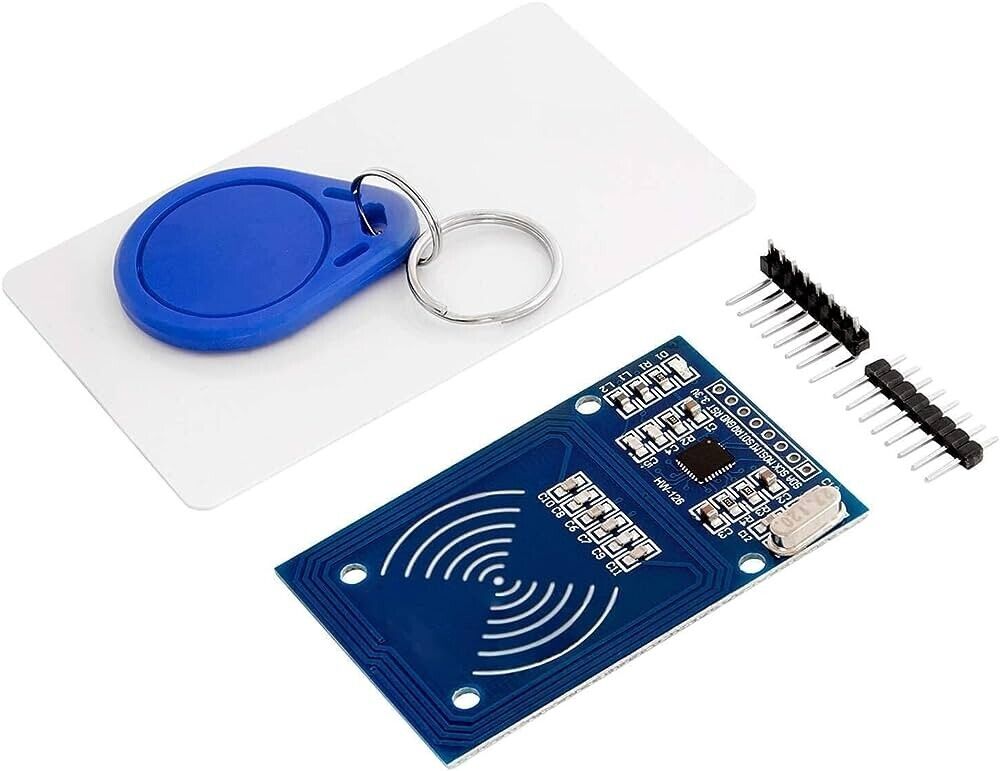
    Radio Frequency Identification (RFID) is a wireless technology that uses electromagnetic fields to automatically identify and track tags attached to objects. An RFID system typically consists of three components:

    1. RFID Tags: These are small electronic devices attached to museum objects, which store identification information.

    2. RFID Readers: Devices that emit radio signals to communicate with the tags and retrieve information.

    3. RFID Software: The system’s software component records the location, identity, and status of objects.

    RFID technology allows for real-time monitoring and tracking of objects without physical contact, providing more efficient security and management than traditional barcodes or manual inventories.

    Challenges in Museum Object Protection at the National Museum, Onikan, Lagos

    Museums face a range of security threats, from theft and vandalism to environmental damage. In the case of the National Museum, Onikan, Lagos, these challenges are exacerbated by several factors:

    1. Limited Resources: The museum lacks the financial and technical resources to implement advanced security measures, making it vulnerable to theft and damage.

    2. Large Collection Size: Managing a vast collection of objects manually is difficult. The museum’s collection includes over 47,000 objects, spanning a wide variety of materials and time periods.

    3. Inadequate Inventory Management: The absence of an integrated and automated inventory management system results in inaccurate records, making it harder to track objects effectively.

    4. Environmental Threats: Artifacts are vulnerable to environmental conditions like temperature, humidity, and light, which can degrade objects if not properly monitored.

    How RFID Enhances Object Protection

    RFID technology addresses many of the challenges faced by museums in protecting their collections. Here are key ways in which RFID can enhance object protection at the National Museum,  Onikan, Lagos:

    1. Efficient Tracking and Inventory Management

    With RFID tags affixed to each artifact, museum staff can track objects in real time, facilitating quicker and more accurate inventory processes. The system can automatically update the location and status of each object, minimizing human error and improving accountability.

    2. Improved Security

    RFID systems can enhance security by triggering alarms if an object is moved without authorization. RFID tags can be programmed with movement sensors, which alert museum staff to any unauthorized handling or removal of an object from its designated area.

    3. Environmental Monitoring

    Certain RFID tags can also be equipped with sensors to monitor environmental factors such as temperature, humidity, and light exposure. This feature is crucial for objects sensitive to environmental conditions, enabling museum staff to respond quickly if conditions deviate from safe levels.

    4. Automated Record-Keeping

    The system provides a comprehensive and up-to-date record of each object, including details about its condition, location, and handling history. This automation reduces the risk of errors in manual record-keeping and ensures that information about each object is always current.

    5. Scalability and Flexibility

    RFID systems can easily scale to accommodate a growing collection, making them ideal for institutions like the National Museum, Onikan, Lagos, which continues to acquire new objects. Moreover, RFID tags can be tailored to fit different sizes and types of objects, from small jewelry pieces to large sculptures.

    Case Study: Implementing RFID at the National Museum Lagos

    To demonstrate the effectiveness of RFID in museum object protection, we can consider a hypothetical implementation at the National Museum, Onikan,  Lagos. The implementation process would involve the following steps:

    1. Needs Assessment

    The museum would first conduct a thorough assessment of its current object management and security systems, identifying key areas of vulnerability that RFID can address.

    2. Tagging and System Setup

    RFID tags would be attached to objects across the museum’s collection. The tags would be encoded with unique identification data, allowing the RFID readers to capture and transmit information to a central database.

    3. Training and Integration

    Museum staff would undergo training to effectively use the RFID system, from scanning objects during exhibitions to monitoring environmental conditions. The system would be integrated into the museum’s existing management software, ensuring seamless data flow.

    4. Monitoring and Maintenance

    Once operational, the RFID system would provide continuous monitoring of objects, alerting staff to any security breaches, unauthorized handling, or adverse environmental conditions. Regular maintenance would be carried out to ensure the system’s long-term efficacy.

    Benefits of RFID for the National Museum, Onikan, Lagos

    The implementation of RFID at the National Museum, Onikan, Lagos offers several key benefits:

    1. Reduced Theft and Loss

    By improving tracking and automating alerts for unauthorized movements, RFID significantly reduces the risk of theft or loss of artifacts.

    2. Enhanced Artifact Preservation

    With integrated environmental monitoring, RFID helps to preserve fragile artifacts by ensuring that they are stored in optimal conditions.

    3. Operational Efficiency

    The time and effort required for manual inventories and object tracking are drastically reduced, freeing up staff to focus on other curatorial and educational activities.

    4. Data-Driven Insights

    The data collected by the RFID system can be analyzed to gain insights into how objects are moved and handled, informing better conservation practices and exhibition planning.

    Limitations and Challenges

    While RFID offers substantial benefits, its implementation at the National Museum,  Onikan, Lagos may face certain limitations, including:

    1. Cost of Implementation: RFID systems can be expensive to install, particularly as the budget of National Commission for Museums and Monuments is limited, with minimal support from international bodies.

    2. Technological Infrastructure: The museum would need to upgrade its technological infrastructure to support RFID, including setting up databases, RFID readers, and software systems.

    3. Maintenance: Regular maintenance of RFID tags, readers, and the overall system is essential to ensure long-term functionality.

    Conclusion

    RFID technology is an essential tool for the future of museum object protection, offering significant advantages in terms of security, inventory management, and environmental monitoring. For the National Museum, Onikan, Lagos, considering its strategic location at the commercial capital of Nigeria, and with its inflow of visitors, RFID represents an opportunity to safeguard its collection more effectively, preserving Nigeria’s cultural heritage for future generations. While the initial investment may be substantial, the long-term benefits in terms of operational efficiency, artifact preservation, and enhanced security make RFID a necessity in modern museum management. There is no better time to embrace this technology than now, under the capable leadership of Mr. Olugbile Holloway, Director General of the National Commission for Museums and Monuments, whose vision for museum development is driven by technology.

    References

    1. RFID in Museums: A Comprehensive Overview. Museum Management Journal, 2020.

    2. National Museum Lagos – History and Significance. National Commission for Museums and Monuments, 2019.

    3. Lopez, J. “Museum Security and Technology: The Role of RFID.” Heritage Preservation Quarterly, 2021.

  • Attracting More Visitors Than Users to the Museum

    Attracting More Visitors Than Users to the Museum

    Onuba Ngozi

    Assistant Chief Museum Education Officer, NCMM Abuja

    August 7, 2023

    Understanding the Role of Museums

    According to the International Council of Museums (ICOM), 

    “A museum is a not-for-profit, permanent institution in the service of society that researches, collects, conserves, interprets and exhibits tangible and intangible heritage. Open to the public, accessible and inclusive, museums foster diversity and sustainability. They operate and communicate ethically, professionally, and with the participation of communities, offering varied experiences for education, enjoyment, reflection, and knowledge sharing.” (2002)

    This definition emphasizes that museums are spaces designed to serve the public by preserving and showcasing heritage, while fostering community engagement and lifelong learning.

    Who Are the Museum Visitors? 

    Museum visitors are individuals who attend the museum primarily for research, educational enrichment, or cultural appreciation. These visitors typically pay a modest entry fee and are guided through exhibitions and galleries, engaging deeply with the museum’s collections and narratives.

    Who Are the Museum Users? 

    Museum users, on the other hand, are those who utilize museum facilities for non-curatorial purposes, such as weddings, parties, meetings, and other events. While their presence supports the museum’s sustainability through rental income, they often do not interact with or explore the museum’s exhibitions.

    Refocusing Museums in the 21st Century 

    Modern museums are increasingly evolving beyond being mere repositories of artifacts. Today’s museums are service-oriented, socially relevant institutions that engage with the pressing issues of the day and reflect the values and aspirations of their host communities.

    To truly fulfill their role, museums should aim to attract more visitors than users—encouraging interaction with collections, participation in programs, and educational exploration.

    Here are several strategies to support this goal:

     1. Community-Centric Research and Engagement

    Museums must invest in research to better understand their audiences. Establishing a Museum Marketing Department is vital to:

    • Conduct SWOT and SMART analyses
    • Collect and interpret visitor feedback
    • Develop programs tailored to diverse interests and needs

    This approach enables museums to design engaging content and meaningful visitor experiences.

    2. Inclusive and Collaborative Programming

    Programs should be inclusive, co-created with host communities, and reflective of shared cultural values. A great example is the National Museum, Jos, Plateau State, which collaborates with its host communities to celebrate International Museum Day, featuring cultural displays and exhibitions that affirm community ownership of the museum space.

     3. Improving Accessibility

    Most Nigerian museums were not originally built to accommodate diverse audiences, particularly individuals with disabilities. To attract more visitors, especially those with special needs, museums must upgrade their infrastructure by providing:

    • Ramps and fatigue breakers
    • Braille signage and audio guides
    • Multimedia displays and sensory-friendly devices
    • Quiet zones and dim lighting for photosensitive visitors

    Creating a truly inclusive space encourages repeat visits and broadens the museum’s audience base.

     4. Refreshing Exhibitions

    Permanent exhibitions, though valuable, may become monotonous for repeat visitors. Museums should regularly curate temporary and thematic exhibitions to spark renewed interest, showcase current topics, or highlight hidden stories from their collections.

     5. Leveraging Digital Media

    To reach a wider audience—especially younger demographics—museums must actively engage in digital marketing. Suggested platforms and tools include:

    • Social Media: YouTube, X (formerly Twitter), Facebook, Instagram, Snapchat, Reddit, Quora
    • Branded souvenirs with museum imagery or cultural themes
    • Newsletters, e-magazines, flyers, and press releases to keep the public informed

    A consistent digital presence helps amplify visibility and connect with diverse communities.

     6. Membership and Youth Engagement

    Museums can build a loyal visitor base by launching:

    • Friends of the Museum programs with discounted memberships (monthly, quarterly, yearly)
    • Museum clubs in schools to encourage cultural education from a young age
    • Incentives such as entry vouchers, coupons, and free/discounted program access
    • Partnerships with organizations for sponsored tickets and giveaways

    These initiatives foster a sense of belonging and appreciation for museum spaces.

    Final Thoughts

    Museums are the custodians of a nation’s cultural identity, preserving history, traditions, and heritage for present and future generations. Nigeria is home to 54 museums, with some states, like Osun and Rivers, housing two each. These institutions safeguard our collective memory.

    When we visit museums, we deepen our understanding of our own culture and that of others, gain insight into the lives of our ancestors, and build bridges across ethnic and regional divides.

    Visit a museum today—reconnect with your heritage and support cultural preservation!